
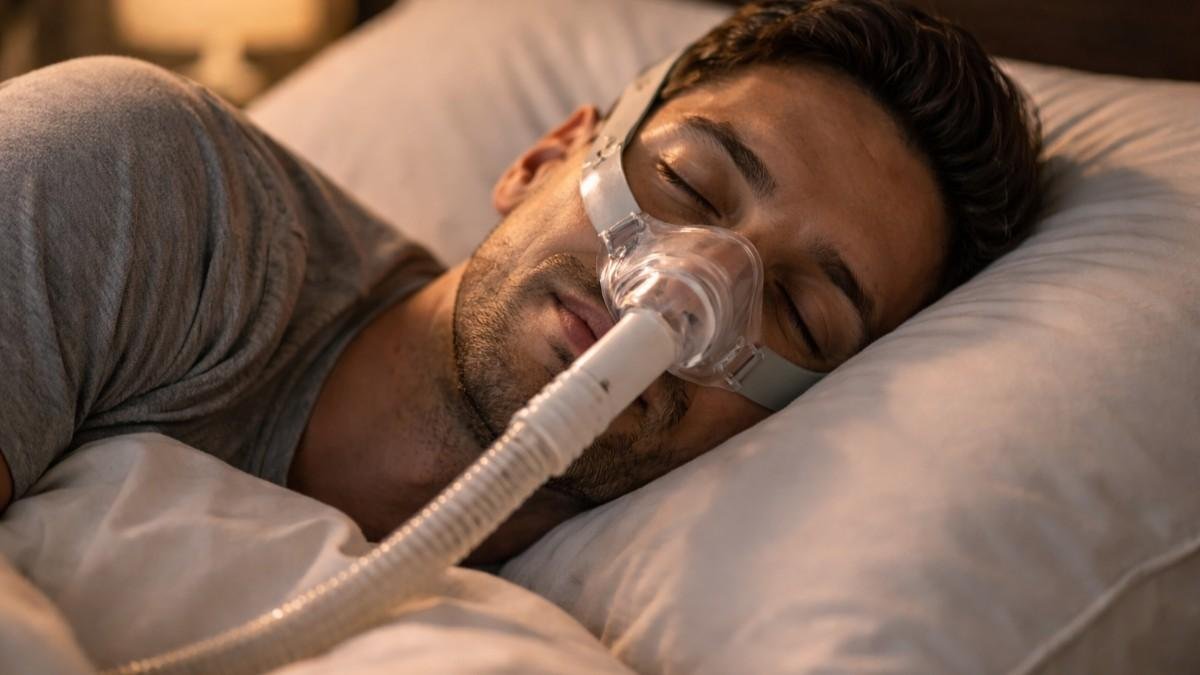
Feeling exhausted every morning used to feel normal, until better sleep changed everything. The most surprising part was how quickly body changes after cpap began to show up. Some shifts happened within days, while others built slowly over months, creating a complete transformation in energy, health, and daily life.
Body Changes After CPAP In The First Week
The first few days bring noticeable relief as your body begins recovering from oxygen deprivation.
Reduced Morning Headaches
Headaches that used to show up every morning often fade quickly. This happens because oxygen levels stabilize during sleep, reducing pressure changes that trigger pain. Many people notice this improvement within just a few nights of consistent use.
Better airflow also reduces carbon dioxide buildup, which plays a major role in sleep apnea headaches. As breathing normalizes, the body no longer wakes up in a stressed state, making mornings feel calmer and clearer.
Lower Blood Pressure
One of the most important early body changes after cpap is the calming of the nervous system. Sleep apnea triggers a nightly stress response that raises blood pressure. CPAP helps reduce this effect by keeping airways open.
Within the first week, some people notice slight improvements in blood pressure readings. While long-term benefits take time, this early shift shows the body is already moving toward better cardiovascular health.
Reduced Nighttime Urination
Frequent nighttime bathroom trips often decrease after starting CPAP. Sleep apnea affects hormone balance, causing the body to produce more urine at night. Once breathing stabilizes, this pattern begins to correct itself.
This change improves sleep continuity, allowing longer uninterrupted rest. Over time, better sleep cycles contribute to deeper recovery and improved overall health.
Appearance And Body Changes Over 1 To 3 Months
As sleep quality improves, visible and external changes begin to appear.
Reduced Facial Puffiness
Facial swelling and puffiness start to decrease as circulation improves. Better oxygenation and reduced inflammation help the face look more refreshed and less tired. This is one of the most noticeable body changes after cpap because it directly impacts how you look each morning. The improvement is gradual but becomes obvious over a few weeks.
Brighter Eyes And Skin Health
Eyes begin to look clearer and more awake. Dark circles often fade as sleep becomes more restorative. Skin also benefits from improved repair processes during deeper sleep stages. With consistent CPAP use, the skin appears more balanced and healthier. This is often described as a natural glow that comes from proper rest and oxygen flow.
Youthful And Alert Appearance
People often report looking more alert and energetic. Improved sleep supports collagen repair and reduces signs of fatigue, making the face appear more vibrant. These changes may not feel dramatic day to day, but over time, they create a noticeable difference in how others perceive your energy and appearance.

Metabolic And Weight Related Body Changes
Changes in metabolism and weight can vary depending on lifestyle and individual response.
Weight Gain Possibility
Some people experience slight weight gain after starting CPAP. This can happen because the body no longer burns extra calories struggling to breathe during sleep. In some cases, this weight gain may reflect improved muscle recovery rather than fat gain. Better sleep supports tissue repair, which can influence body composition.
Easier Weight Loss For Others
For many, increased energy levels make it easier to stay active. Better sleep also helps regulate hunger hormones, reducing cravings and overeating. This creates a more balanced relationship with food and exercise. Over time, this can support gradual and sustainable weight loss.
Improved Blood Sugar Control
CPAP therapy can improve insulin sensitivity. Better sleep helps stabilize blood sugar levels, which is especially beneficial for people managing metabolic conditions. These internal improvements may not be immediately visible, but they play a critical role in long-term health and energy balance.
Long Term Health Benefits Of CPAP
Consistent use leads to deeper, long-lasting improvements across the body.

Heart Health Protection
One of the most powerful benefits is reduced strain on the heart. Sleep apnea forces the cardiovascular system to work harder due to repeated oxygen drops. With CPAP, this stress is minimized. Over time, this can lower the risk of serious conditions such as heart disease and stroke.
Brain Function And Recovery
Better oxygen flow supports brain repair. Studies suggest improved memory, focus, and cognitive function with consistent CPAP use. This is one of the most impactful body changes after CPAP because it affects daily performance, decision making, and mental clarity.
Hormonal And Reproductive Balance
Sleep plays a key role in hormone regulation. CPAP helps restore hormonal balance, which can improve energy, mood, and promote overall well-being. In some cases, this also supports reproductive health by stabilizing hormone levels that were previously disrupted by poor sleep.
How To Accept Body Changes After CPAP
Adapting to CPAP becomes easier when you focus on consistency and small daily improvements. Start by using the machine every night, even during naps, so your body adjusts faster to continuous airflow. Early consistency is what allows body changes after cpap to begin quickly and progress steadily over time.
Next, focus on comfort by adjusting your mask fit and humidity settings. Small discomforts like dryness or irritation can be reduced with proper setup. A comfortable experience encourages long-term use, which is essential for lasting results.
Finally, support CPAP therapy with simple lifestyle habits. Maintain a regular sleep schedule, stay active during the day, and track your progress. Paying attention to changes in energy, mood, and sleep quality helps reinforce consistency and keeps you motivated.
Common Misconceptions About CPAP
Understanding realistic expectations helps you stay consistent and avoid frustration.

Results Take Time
Some improvements happen quickly, but full transformation develops over weeks and months. Patience is key to seeing the complete benefits.
Not Everyone Experiences The Same Changes
Each body responds differently. Factors like lifestyle, diet, and overall health influence how changes appear and how quickly they develop.
Initial Discomfort Is Temporary
Dry mouth, nasal congestion, or mask irritation can occur early on. These issues usually improve as your body adapts and equipment is adjusted properly.
Frequently Asked Questions
1. How fast do body changes after cpap begin?
Many people notice early improvements within a few days, but significant changes typically develop over one to three months of consistent use.
2. Can body changes after cpap affect weight?
Yes, weight changes can vary. Some people lose weight due to better energy and habits, while others may experience slight weight gain initially.
3. Why do I feel more energetic after starting CPAP?
Improved oxygen flow and uninterrupted sleep restore normal body function, leading to better energy levels and reduced fatigue.
4. Are body changes after cpap permanent?
They remain as long as CPAP therapy is used consistently. Stopping treatment can reverse many of the benefits over time.
Healthier Life Through Better Sleep
Experiencing body changes after cpap is not just about better sleep, it is about a complete shift in how the body functions and feels. From improved energy and clearer thinking to long-term health protection, the benefits build over time. Staying consistent with therapy turns small improvements into lasting transformation, making everyday life more balanced, productive, and enjoyable.