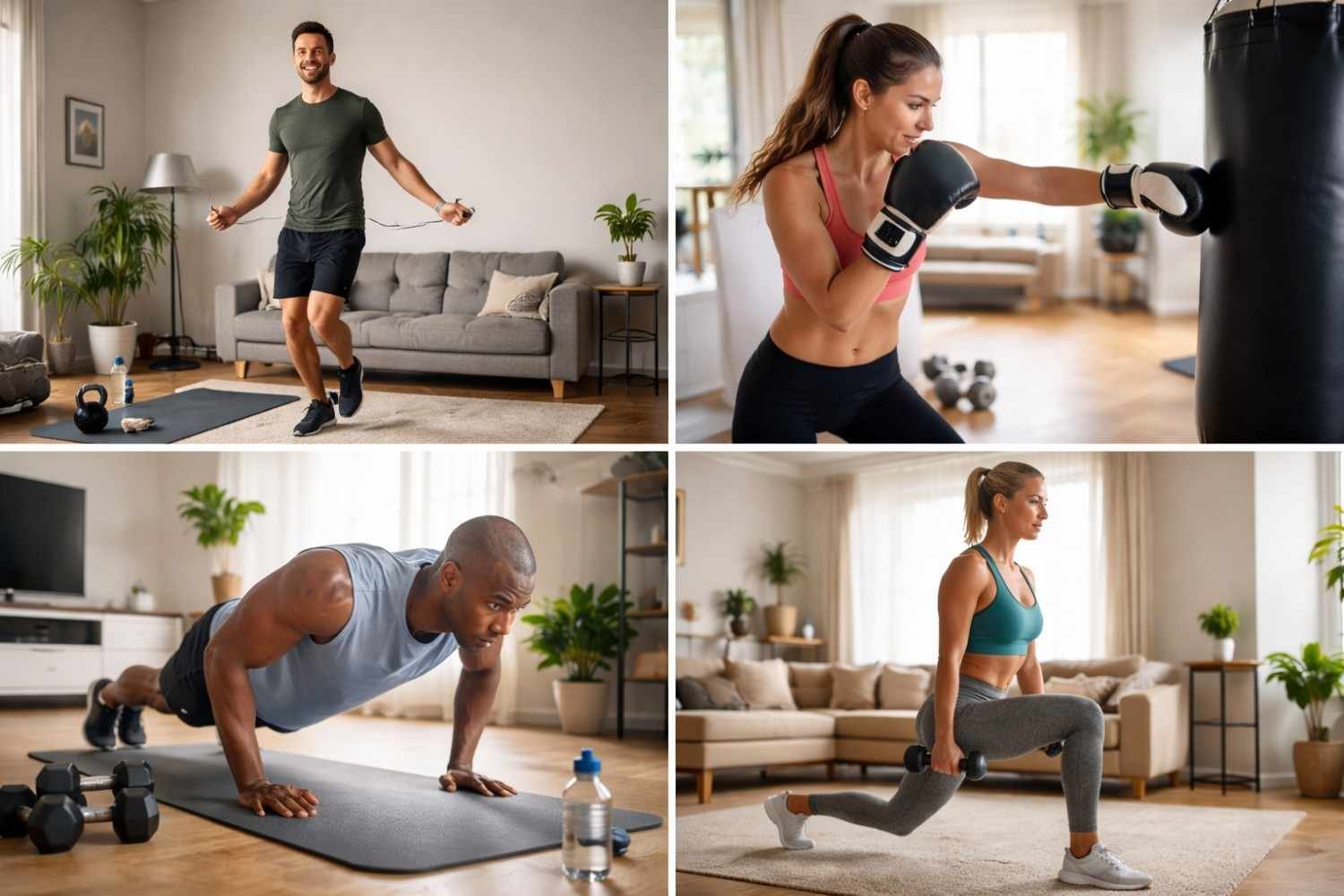
I didn’t expect to feel like an athlete training at home—but that’s exactly what happened when I started doing home sports training workouts the right way.
No fancy equipment. No long hours. Just focused, high-impact routines that pushed my strength, speed, and endurance to a completely different level. Within a short time, I noticed sharper movement, faster reactions, and more power in every workout.
If you’re tired of basic routines that don’t deliver real results, this is where everything changes.
What Makes Home Sports Training Workouts More Effective Than Basic Home Fitness?
Most home workouts focus on burning calories. That’s fine, but it’s not enough if your goal is athletic performance.
Home sports training workouts focus on functional movement. That means every exercise helps you move better, faster, and stronger in real-life situations.
I stopped doing random workouts and started training for:
- Explosive power
- Functional strength
- Agility and coordination
- Core stability
That shift alone made a huge difference in how I feel and perform.
Core Training Components I Always Include in My Routine
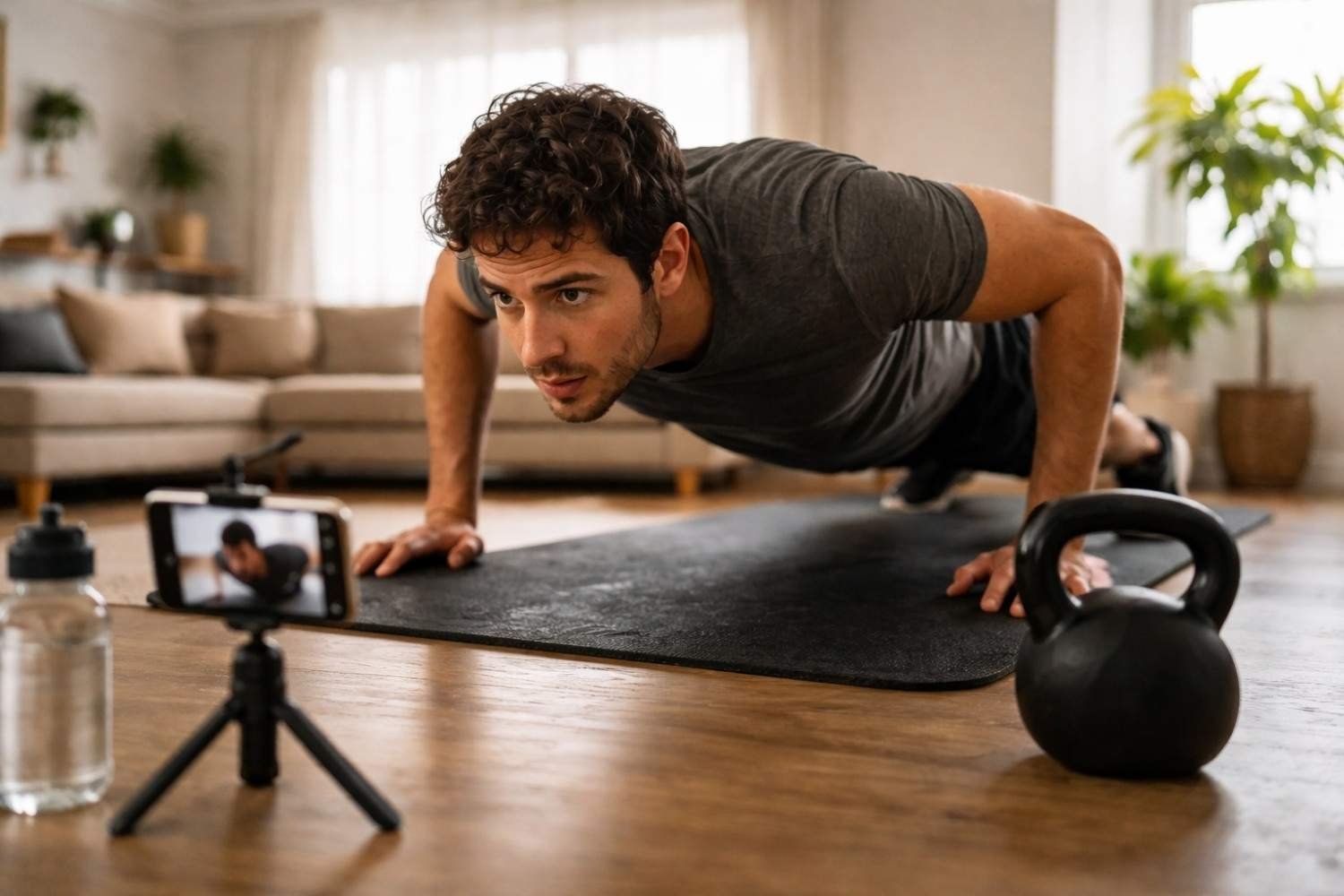
Once I understood what athletes actually train for, I built my routine around four essential pillars.
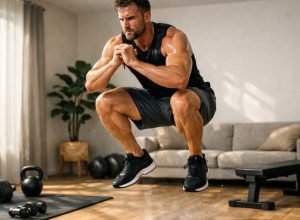
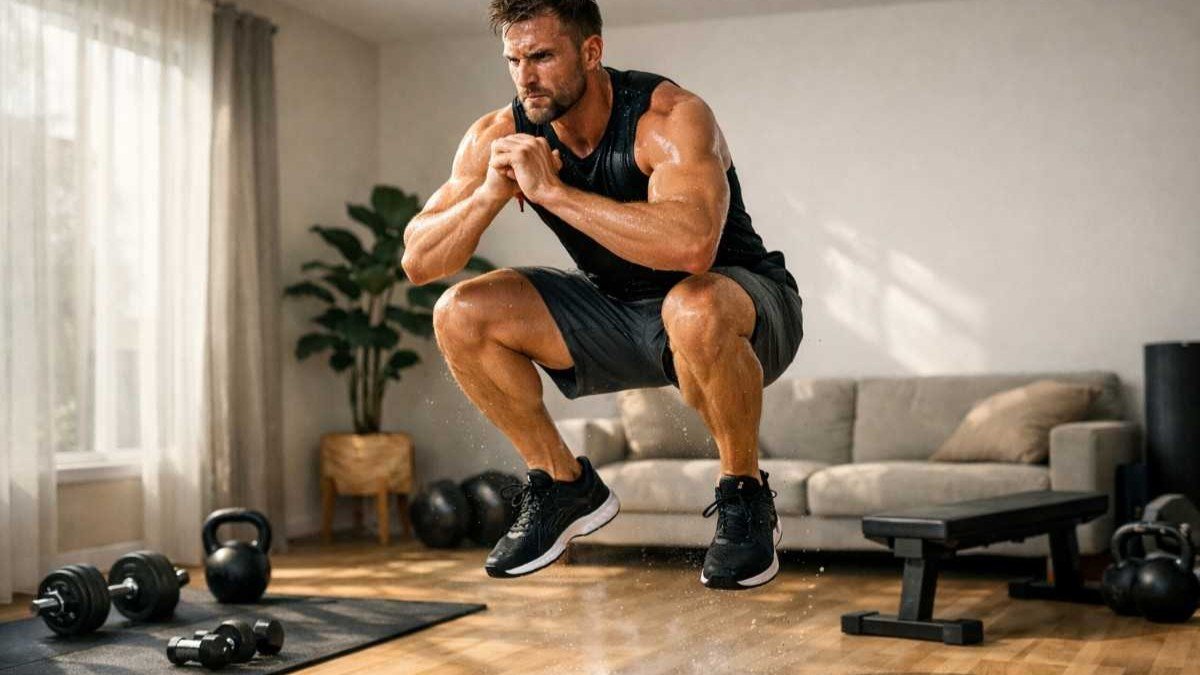
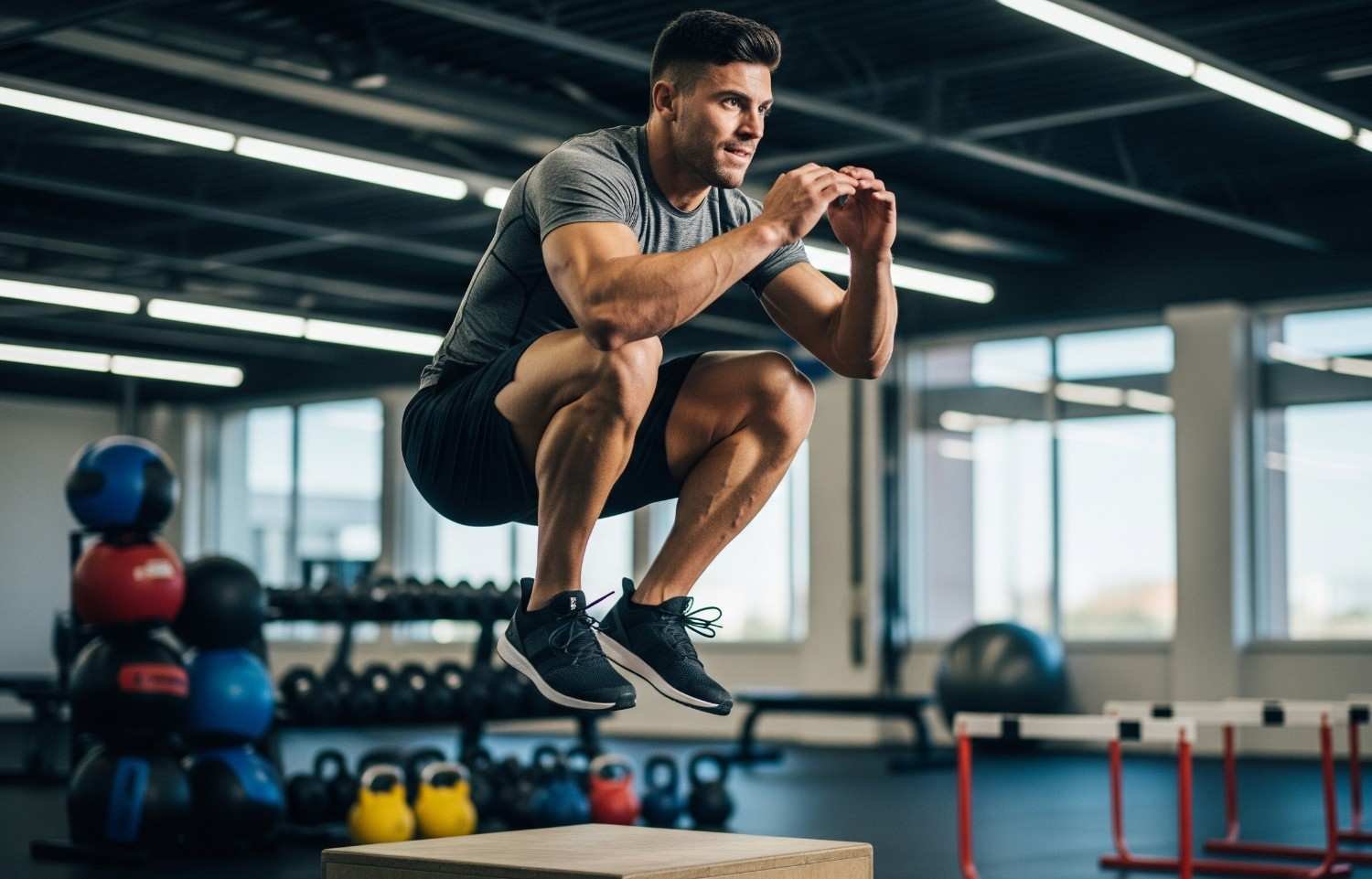
Plyometrics and Explosive Power Training
Explosive power is what separates average fitness from real athletic performance.
I regularly include:
- Jump squats
- Burpees
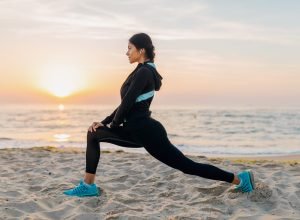
- Jumping lunges
These exercises train fast-twitch muscles, which are crucial for sprinting, jumping, and quick movements. I focus on short bursts with maximum intensity.
Functional Strength Using Bodyweight and Household Items
You don’t need a gym to build strength. I use bodyweight and simple items at home.
Some of my go-to movements:
- Push-ups and assisted push-ups
- Bodyweight squats and lunges
- Dumbbell rows using water jugs or backpacks
- Overhead squats with light objects
This approach builds strength while improving joint stability and balance.
Agility and Speed Training in Small Spaces
Even in a small room, I can improve foot speed and reaction time.
I use drills like:
- Mountain climbers
- Fast feet drills
- Short sprints in place
- Lateral shuffles
These movements sharpen coordination and make me feel quicker on my feet.
Core Stability for Better Balance and Power Transfer
Core training is something I used to ignore, but it changed everything.
I now include:
- Forearm planks
- Bird dog exercises
- Bicycle crunches
A strong core helps transfer power between the upper and lower body, which is essential for sports performance.
My 25-Minute Total Sports Training Circuit (Small Space Friendly)
When I want a quick but intense session, I follow this simple structure. It’s one of the most effective home sports training workouts I use regularly.
Perform each exercise for 45 seconds, then rest for 15 seconds.
Warm-Up (5 Minutes)
I start with:
- Jumping jacks
- Arm swings
- Marching in place
This gets my heart rate up and prepares my body for movement.
Speed and Cardio Set
I move into:
- Burpees
- Mountain climbers
This builds endurance and improves quickness.
Strength Set
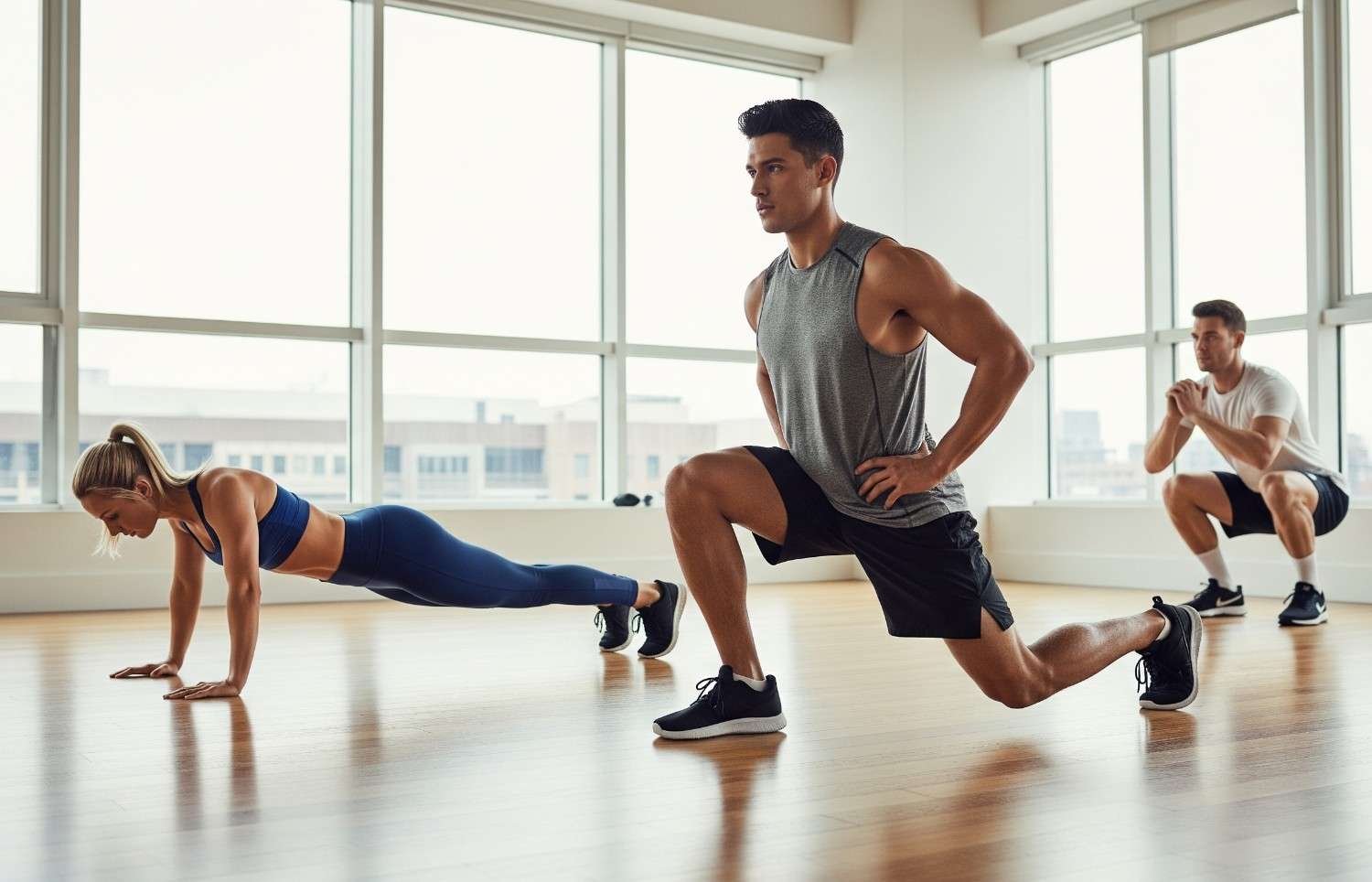
Next, I focus on:
- Push-ups (standard or knee)
- Bodyweight squats
- Lunges
This combination targets both upper and lower body strength.
Core Set
To finish the workout:
- Forearm plank
- Bird dog
This improves stability and control.
Cool Down (5 Minutes)
I always include:
- Static stretching
- Yoga poses like downward dog
This helps recovery and flexibility.
Specialized Home Training Based on Your Sport
I noticed faster progress when I tailored workouts to specific activities.
For Football and Field Sports
I focus on:
- Foot speed drills
- Core strength
- Quick directional changes
These improve control and reaction time during gameplay.
For Runners and Endurance Athletes
My focus shifts to:
- Glute bridges
- Skater to squat jumps
- Russian twists
These exercises improve stability and reduce injury risk.
Progressive Strength Training for Advanced Results
When I want to push further, I use a progressive approach.
I gradually increase reps in:
- Pull-ups
- Lunges
- Push-ups
Over time, this builds serious endurance and strength.
How Often I Train for Maximum Results
Consistency matters more than intensity alone. I follow a structured weekly plan.
| Focus Area | Frequency | Benefit |
| Strength Training | 2–3 times per week | Builds muscle and protects joints |
| Cardio / Endurance | 150 minutes per week | Improves stamina |
| HIIT / Speed Training | 1–2 times per week | Boosts explosive power |
This balance keeps me improving without overtraining.
How To Start Home Sports Training Workouts Step by Step
When I started, I kept things simple, and that made it sustainable.
First, I chose a clear goal like improving stamina or strength. That gave direction to my workouts.
Next, I built a short routine combining strength, agility, and cardio exercises. I avoided overcomplicating it.
Then, I scheduled my workouts just like appointments. Treating them seriously helped me stay consistent.
Finally, I tracked progress. Even small improvements kept me motivated and focused.
Common Mistakes I Avoid in At-Home Sports Training
One mistake I made early was doing random workouts with no structure. That slowed my progress.
I also ignored recovery, which led to fatigue. Now I treat rest as part of training.
Another mistake was rushing through exercises. Once I focused on form and control, my results improved significantly.
FAQs About Home Sports Training Workouts
1. Are home sports training workouts effective for athletes?
Yes, they are highly effective when structured properly. I’ve personally improved strength, speed, and endurance without a gym.
2. Can I build muscle with home workouts?
Yes. With progressive overload and proper form, bodyweight training can build muscle effectively.
3. Do I need equipment for sports training at home?
No. I’ve achieved great results using bodyweight and simple household items.
4. How long should each workout be?
I typically train for 25 to 45 minutes, depending on intensity and goals.
A More Effective Way to Train at Home
What truly changed my results was shifting from random workouts to structured home sports training workouts and treating them like a true home workout for athletes.
By focusing on functional strength, explosive power, agility, and consistency, I built a routine that actually improves performance—not just fitness.
If you follow a structured plan like this, you won’t just stay active—you’ll start training like a real athlete right at home.