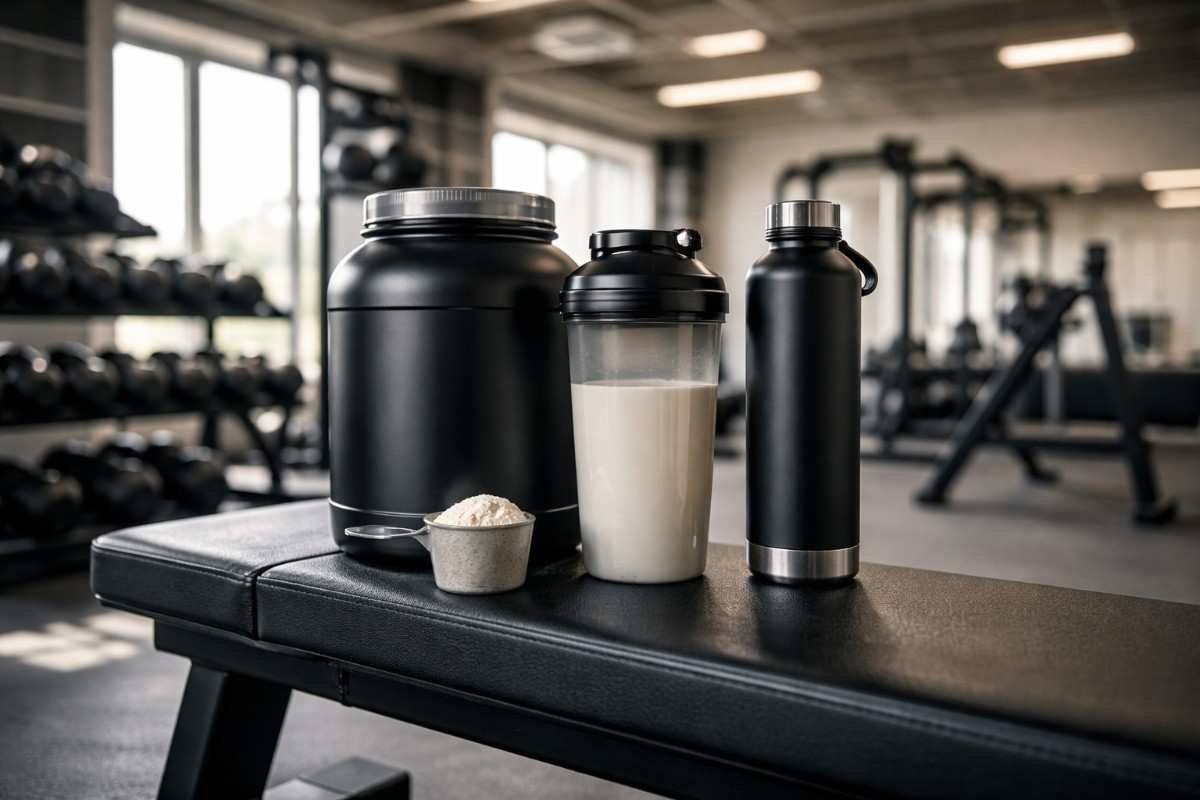

Something didn’t add up for me. I was training harder than ever, following all the “popular advice,” yet my results barely moved. Meanwhile, others were improving faster with what looked like less effort. That’s when I realized something most people never talk about—some of the most effective sports performance tips are the ones almost everyone overlooks.
Once I started applying these overlooked strategies, my strength, speed, and recovery shifted in ways I didn’t expect. If you feel like you’re doing everything right but still not seeing real progress, what you’re about to read might be the missing piece.
What Are the Most Effective Ways to Improve Athletic Performance Fast?
The biggest shift I made was treating performance like a system instead of isolated habits. Training, fueling, recovery, and mindset all work together, and ignoring one slows everything down.
Most top athletes follow a structured routine that includes strength training, conditioning, mobility work, and mental preparation. Once I started aligning these elements, my performance improved faster and more consistently.
Consistency matters more than intensity. Small improvements repeated daily create long-term gains.
How Should You Structure Training for Maximum Results?

One of the most effective changes I made was varying my workouts. Following the “rule of three,” I adjust exercises or intensity every third session to avoid plateaus and overuse injuries.
Strength training forms the base of performance. I focus on compound movements like squats, deadlifts, and presses two to three times per week to build power and stability.
I also include high-intensity interval training. Short bursts of effort followed by rest improve endurance and explosive strength at the same time. Adding sport-specific drills helps translate gym gains into real performance on the field.
Why Do Strength, Mobility, and Flexibility Matter Together?
Strength alone is not enough. I noticed that when I ignored mobility, my performance felt restricted and injury risk increased.
Dynamic stretching before workouts prepares the body for movement. After training, I use static stretching to improve flexibility and recovery.
Mobility work improves range of motion, allowing muscles to work more efficiently. This directly impacts speed, coordination, and overall athletic performance.
How Does Nutrition Directly Impact Performance and Energy?
Nutrition changed everything for me. Once I started fueling correctly, my energy levels and recovery improved immediately.
For endurance sessions, I follow a simple version of the 4-2-1 approach. I increase carbohydrate intake before training to ensure steady energy. During longer sessions, I maintain fuel levels to avoid fatigue.
I also focus on a healthy diet with carbohydrates for energy, protein for muscle repair, and healthy fats for overall support. After workouts, I aim for a combination of carbs and protein to help recovery.
What Is the Best Way to Stay Hydrated During Training?
Hydration is one of the easiest ways to improve performance, yet it is often overlooked.
I aim to drink consistently throughout the day and increase intake during workouts. During intense sessions, I use electrolyte drinks to replace minerals lost through sweat.
Even slight dehydration can reduce endurance and strength, so staying hydrated helps maintain performance levels from start to finish.
Why Is Recovery the Key to Long-Term Performance Gains?

Recovery is where progress actually happens. Training creates stress, but recovery rebuilds the body stronger.
I prioritize sleep every night because it directly impacts muscle repair and energy levels. Most people need at least seven to nine hours for optimal performance.
Active recovery also helps. On rest days, I include light movement like walking or swimming to improve blood flow and reduce soreness. Listening to your body prevents injuries and keeps progress consistent.
How Can Mental Training Improve Sports Performance?
Mental focus changed how I approach training and competition. Visualization helps me prepare for performance before it even happens.
I spend a few minutes each day mentally rehearsing successful outcomes. This builds confidence and reduces anxiety.
Setting clear goals also makes a difference. I use structured goals that are specific and measurable so I can track progress. Controlled breathing techniques help me stay calm and focused under pressure.
How To Apply Sports Performance Tips in Daily Life
Start by defining a clear performance goal so your training has direction. Build a weekly routine that includes strength training, conditioning, and mobility work instead of random workouts.
Focus on nutrition by planning meals that support energy and recovery. Adjust your intake based on training intensity rather than guessing.
Prioritize recovery by scheduling rest days and maintaining a consistent sleep routine. Add stretching or mobility work to support flexibility.
Track your progress regularly and adjust your routine when needed. These sports performance tips work best when applied consistently over time.
Common Mistakes That Slow Down Athletic Progress
One mistake I made early on was overtraining. Pushing too hard without recovery led to fatigue and slower progress.
Ignoring nutrition is another major issue. Without proper fuel, performance drops quickly and recovery becomes harder.
Lack of structure also limits results. Random workouts without a plan rarely produce consistent improvement.
Avoiding these mistakes can accelerate progress significantly.
Advanced Strategies to Push Your Performance Further
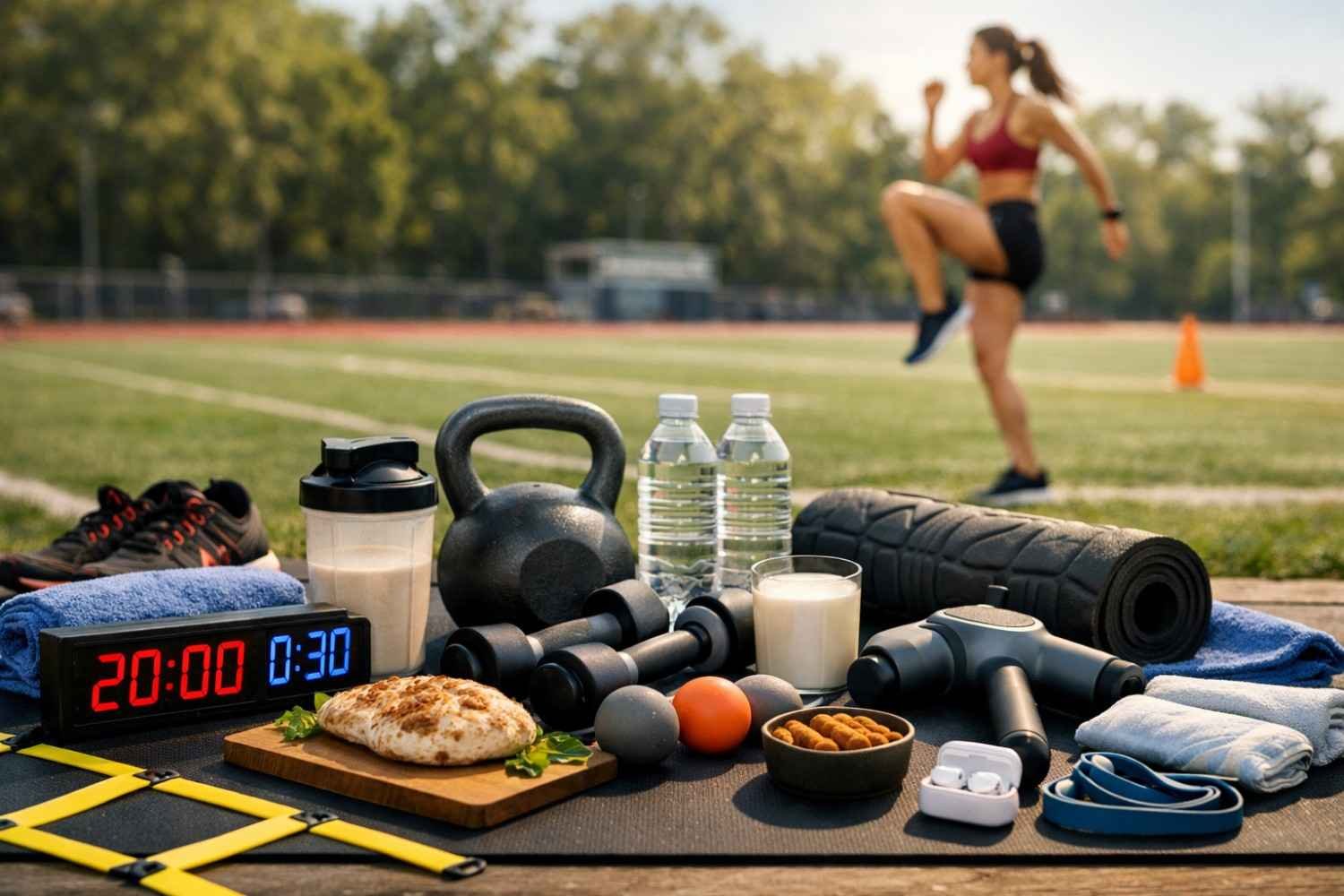
Once you build a strong foundation, you can take performance to the next level.
I use interval training to improve both endurance and speed. Periodizing workouts by changing intensity over time helps avoid plateaus.
Focusing on mobility and recovery keeps the body functioning efficiently. These advanced strategies help maximize long-term results without burnout.
Frequently Asked Questions About Sports Performance Tips
1. What are the best sports performance tips for beginners?
Start with a structured routine, focus on nutrition, stay hydrated, and prioritize recovery. Consistency is the most important factor.
2. How quickly can performance improve with the right strategies?
Most people notice changes within a few weeks, but consistent training over several months leads to the best results.
3. Do sports performance tips improve endurance and strength?
Yes, combining proper training, nutrition, and recovery improves both endurance and strength over time.
4. Can I improve performance without supplements?
Yes, a balanced diet, proper hydration, and structured training are enough for most people to see strong results.
What I Focus On Now to Keep Improving Performance
Over time, I’ve learned that improving performance is about building sustainable habits. I focus on consistent training, proper nutrition, smart use of Sports Nutrition Supplements, quality sleep, and mental clarity.
These sports performance tips have helped me improve without burnout and stay consistent over the long term. When everything works together, performance naturally improves.