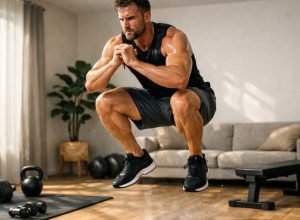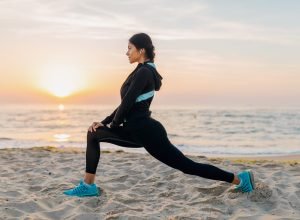
Most people don’t fail at fitness because they’re lazy—they fail because they’re following the wrong sports and fitness tips. I know that feeling of doing everything “right” and still not seeing results.
The turning point for me came when I stopped copying random routines and started focusing on what actually fits real life—simple workouts, smart nutrition, and recovery that doesn’t get ignored. Once I made that shift, everything felt easier. My energy went up, my strength improved, and staying consistent no longer felt like a struggle.
If you’re ready to stop guessing and start seeing real progress, this is the approach that finally made fitness
What Are the Most Effective Sports and Fitness Tips for Overall Health?
The biggest shift for me came when I stopped guessing and started following proven fitness guidelines. Health experts recommend at least 150 minutes of moderate aerobic activity each week, like brisk walking or cycling, or 75 minutes of vigorous activity like running.
I break this into simple sessions throughout the week so it feels manageable. This keeps my heart healthy, improves endurance, and supports long-term fitness without overwhelming my schedule.
Adding strength training at least two days a week has also been a game-changer. Even starting with one set of 12–15 reps builds muscle and boosts metabolism over time.
How Do I Build a Balanced Weekly Workout Routine?
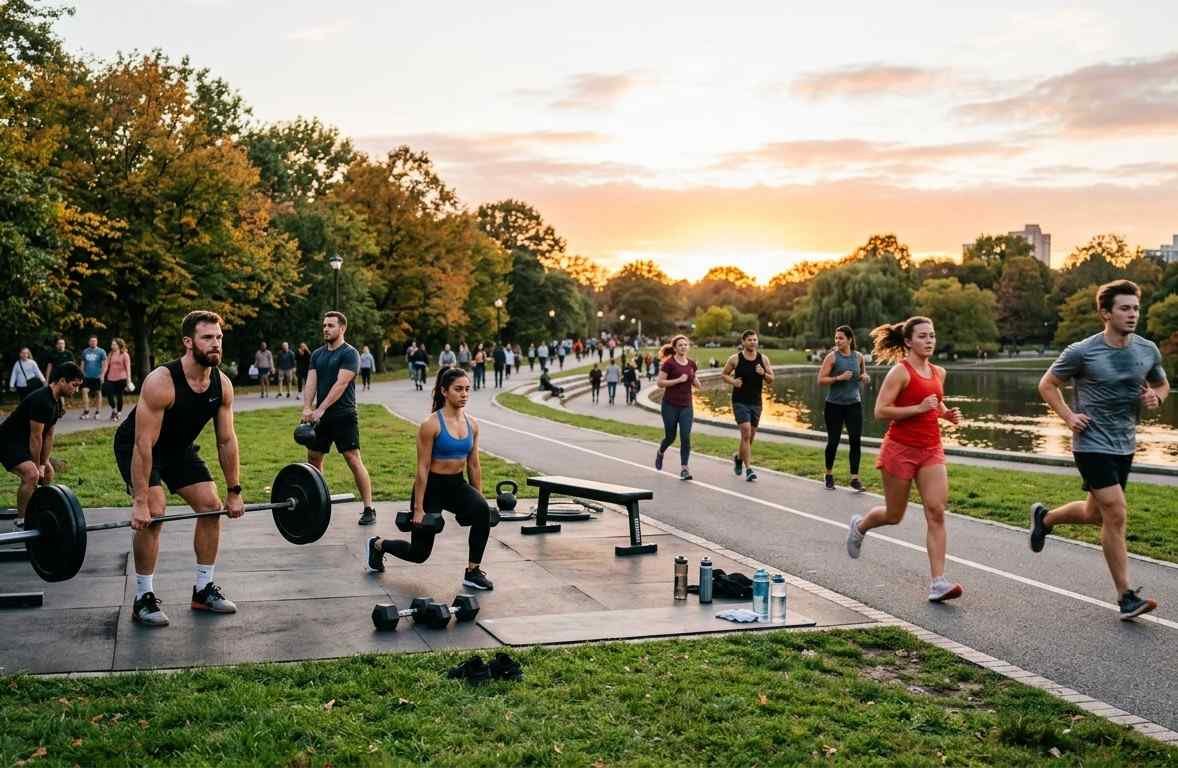
Instead of overcomplicating things, I follow a structure that balances cardio, strength, and recovery.
I typically plan my week with a mix of strength training, cardio workouts, and flexibility work. Strength days focus on major muscle groups, while cardio improves stamina and heart health.
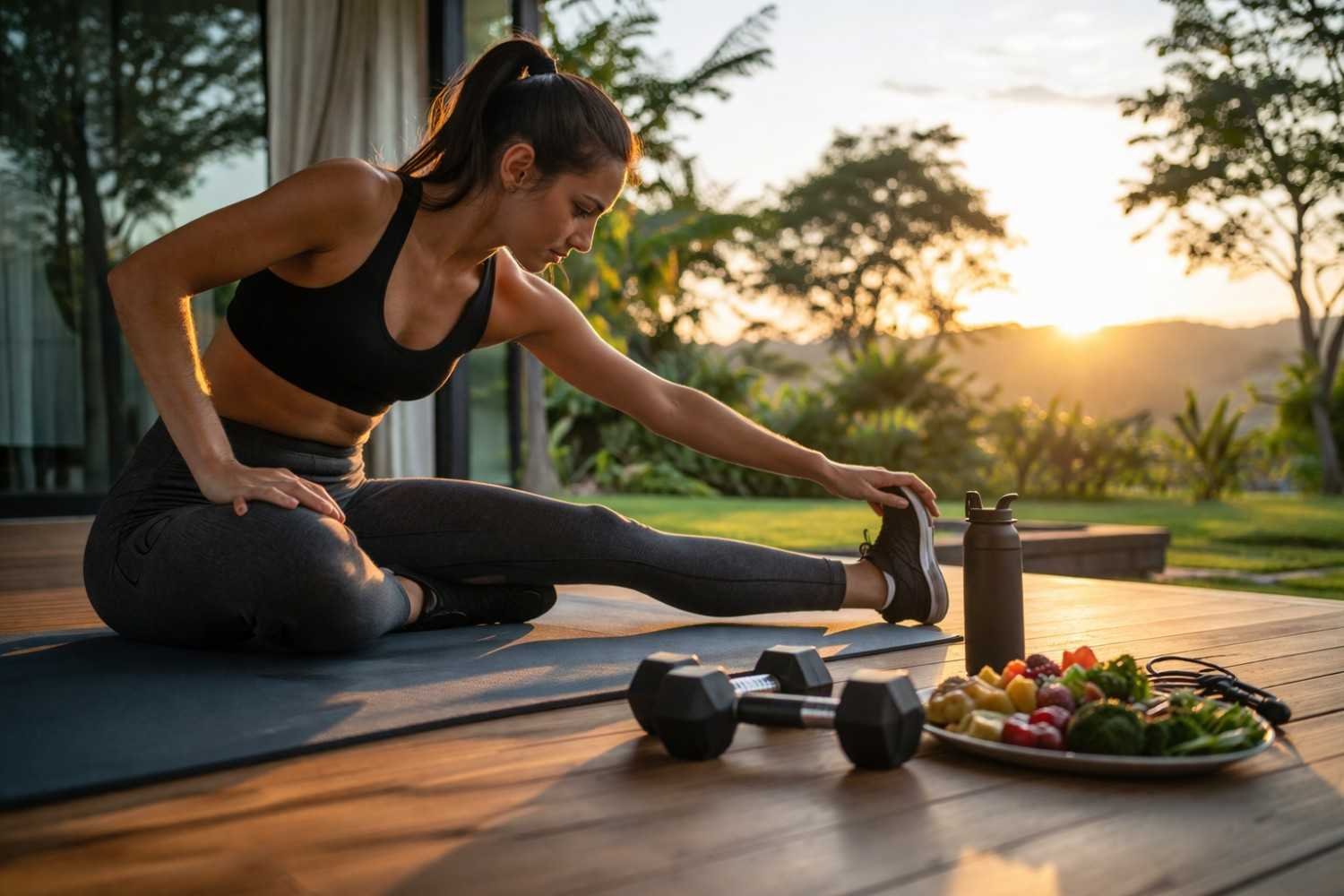
I also include stretching, yoga, or light mobility work to improve flexibility and prevent injuries. This balance keeps my body moving efficiently and reduces the risk of burnout.
What Should I Eat Before and After Workouts for Better Performance?
Nutrition made a huge difference in my results once I understood how to fuel properly.
Before workouts, I focus on carbohydrates for energy. A simple snack like a banana or yogurt about 1–3 hours before exercise works well for me. It keeps my energy steady and prevents fatigue.
After workouts, I prioritize a mix of protein and carbohydrates within two hours. This helps my muscles recover faster and supports growth. Small changes like this noticeably improved my performance and recovery.
How Important Is Hydration in Fitness and Sports Performance?
Hydration is something I used to underestimate, but it directly affects performance.
I aim to drink about 2–3 cups of water a few hours before exercising and continue hydrating during workouts. Staying hydrated improves endurance, prevents cramps, and keeps my energy levels stable.
Even mild dehydration can impact performance, so this is one habit I never skip.
How Can I Improve Performance Without Getting Injured?

One of the best rules I follow is the 10% rule—I never increase my workout intensity or duration by more than 10% each week. This helps me avoid overuse injuries and stay consistent.
I also never skip warm-ups. Spending 5–10 minutes doing light activity prepares my body and improves performance. Cooling down with stretching reduces soreness and helps recovery.
Another simple method I use is the talk test. If I can talk but not sing, I know I’m at a moderate intensity. If I can only say a few words, I’m pushing into a higher intensity zone.
How Do I Stay Consistent With Fitness Goals?
Consistency used to be my biggest challenge, but building habits changed everything.
I set SMART goals—specific, measurable, and realistic. For example, instead of saying “I’ll work out more,” I plan to walk 30 minutes three times a week. This makes my goals easier to follow.
I also schedule workouts like appointments. Treating them as non-negotiable helps me stay disciplined even on busy days.
Working out with a friend or joining a group also keeps me accountable and makes the process more enjoyable.
What Are the Most Common Fitness Mistakes to Avoid?
Looking back, I made a few mistakes that slowed my progress.
Doing too much too soon was one of them. It’s tempting to push hard at the start, but that often leads to burnout. Gradual progress works better.
Ignoring recovery was another mistake. Without rest, your body can’t repair and grow stronger. Sleep, hydration, and rest days are just as important as workouts.
Lastly, I learned not to ignore warning signs. If I feel sharp pain, dizziness, or discomfort, I stop immediately instead of pushing through it.
How To Follow Sports and Fitness Tips Step by Step

The system that works for me is simple and repeatable.
First, I define a clear goal like improving endurance or building strength. This gives direction to everything I do.
Next, I create a weekly plan that includes cardio, strength training, and recovery days. I keep it realistic so I can stay consistent.
Then, I focus on a healthy diet and hydration to support my workouts. Fueling properly improves both performance and recovery.
Finally, I track progress and adjust when needed. Small improvements over time lead to lasting results.
Frequently Asked Questions (FAQs)
1. What are the best sports and fitness tips for beginners?
Start with simple routines, focus on consistency, and gradually increase intensity. Prioritize proper form and balanced workouts.
2. How often should I exercise each week?
Most adults benefit from at least 150 minutes of moderate activity weekly, combined with strength training twice a week.
3. What should I eat before a workout?
A light meal with carbohydrates, such as fruit or yogurt, helps provide energy for your workout.
4. How long does it take to see results from sports and fitness tips?
You can start noticing improvements in a few weeks, but consistent effort over several months leads to significant results.
What Actually Works in the Long Run
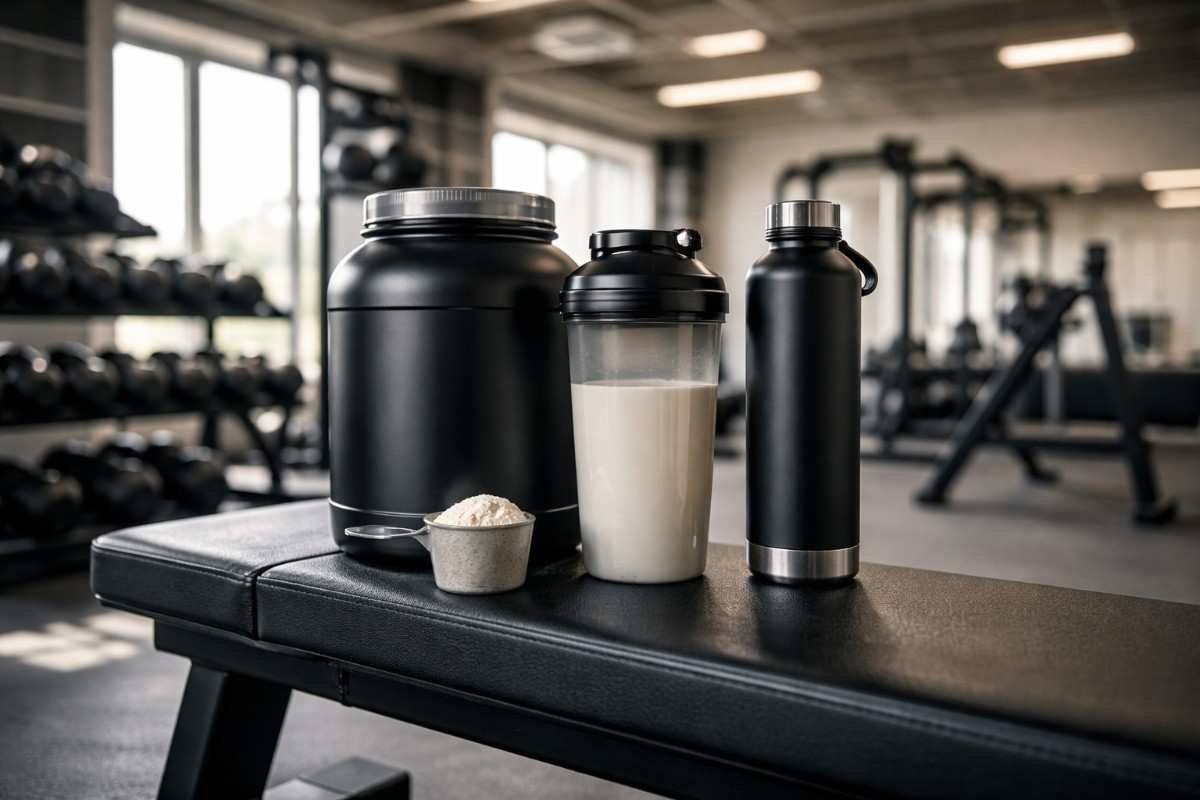
From my experience, the most effective sports and fitness tips are the ones you can stick to consistently. You don’t need extreme workouts or complicated plans—just a balanced approach that includes exercise, nutrition, recovery, smart habits, and, when needed, the thoughtful use of sports nutrition supplements to support performance and recovery.
Once I focused on sustainability instead of perfection, everything changed. Progress became steady, workouts felt enjoyable, and fitness turned into a lifestyle rather than a task.