I hit a point where no matter how hard I trained, my results just wouldn’t improve. I felt tired, my recovery dragged, and my workouts started to feel like a struggle instead of progress. That’s when I realized I wasn’t lacking effort—I was missing sports nutrition.
The moment I fixed how I fueled my body, everything shifted. My energy stayed consistent, my strength improved, and I finally started seeing the results I had been chasing for months. If you’re putting in the work but not getting the outcome, this could be the exact breakthrough you need.
What Is Sports Nutrition and Why Does It Matter for Athletes?
At its core, sports nutrition focuses on how food, hydration, and supplements support physical performance, recovery, and overall health. Unlike general nutrition, it emphasizes timing, quantity, and nutrient quality based on activity level.
I used to eat randomly around workouts, but once I understood fueling strategies, my stamina improved significantly. Proper nutrition allows your body to perform at higher intensity while reducing fatigue and injury risk.
The foundation revolves around four principles: fueling your body with energy, maintaining hydration, supporting recovery, and timing nutrients strategically before and after workouts.
How Do Macronutrients Impact Energy and Performance?

Understanding macronutrients changed how I structure my meals. Instead of guessing, I now build every plate with purpose.
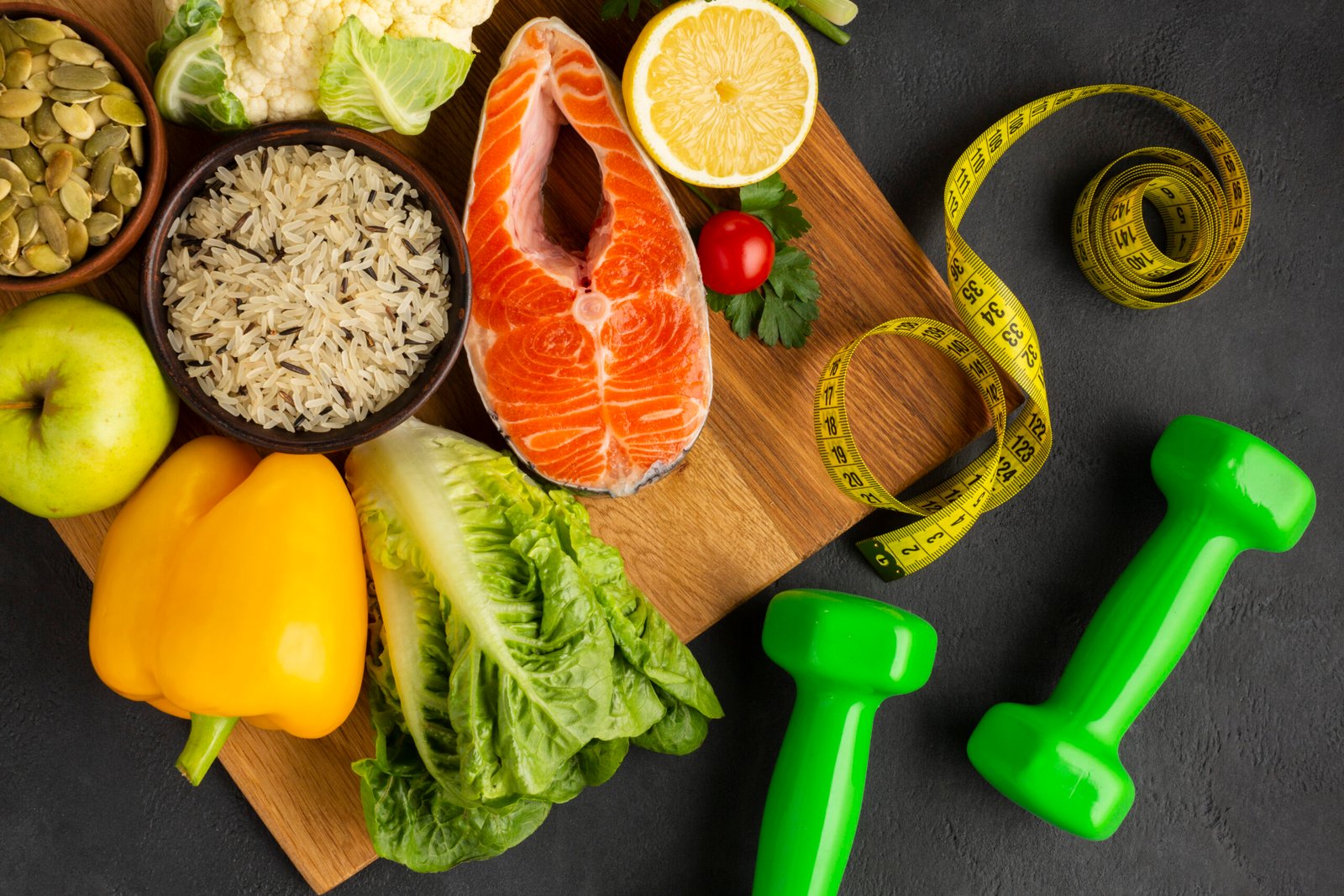
Carbohydrates make up about 45–65% of daily calories and serve as the body’s primary fuel source. They are stored as glycogen in muscles and the liver. When I train hard, I rely on carbs like rice, oats, and fruits to sustain energy. Endurance athletes may need around 6–10 grams per kilogram of body weight daily.
Protein typically accounts for 10–35% of daily calories and plays a critical role in muscle repair and growth. I aim for around 1.2–2.0 grams per kilogram of body weight, which helps reduce soreness and improve recovery.
Fats provide 20–35% of daily calories and support long-duration energy and hormone function. I focus on healthy fats like avocados, nuts, and olive oil to maintain balance.
What Should I Eat Before a Workout for Maximum Energy?
Pre-workout nutrition sets the tone for performance. I usually eat a balanced meal 1–3 hours before training.
My go-to combination includes carbohydrates and protein. For example, oatmeal with peanut butter or rice with grilled chicken gives me steady energy without feeling heavy.
Timing is critical. Eating too early leaves me low on energy, while eating too late feels uncomfortable. Finding that balance has been one of the most important adjustments in my routine.
Hydration also starts here. I make sure I’m drinking water consistently before workouts to avoid fatigue.
How Does Nutrient Timing Improve Performance and Recovery?
Nutrient timing is one of the most overlooked aspects of sports nutrition, but it made a big difference for me, especially after I started following simple sports performance tips consistently.
Before workouts, I focus on fueling energy with carbs. During long sessions, quick carbs help maintain performance. After workouts, I prioritize protein and carbs to repair muscles and replenish glycogen.
I usually eat within 30–60 minutes after training. A simple meal like a protein shake with a banana or chicken with sweet potatoes helps speed up recovery and reduce soreness.
This timing strategy keeps my body ready for the next workout instead of constantly playing catch-up.
Why Is Hydration Critical for Athletic Performance?

Hydration is something I underestimated early on, but it quickly became a priority.
Even a 2% loss in body weight from dehydration can negatively impact performance. I’ve experienced this firsthand during intense workouts when I didn’t drink enough water.
Now, I stay hydrated throughout the day and increase fluid intake during training. For longer sessions or hot conditions, I include electrolyte drinks to replace lost minerals.
Proper hydration helps maintain energy, focus, and endurance while preventing cramps and fatigue.
Which Supplements Actually Work for Performance?
While whole foods are always my priority, some supplements have proven helpful.
Creatine monohydrate is one of the most researched supplements and helps improve strength, power, and lean muscle mass. I’ve personally seen noticeable gains in performance when using it consistently.
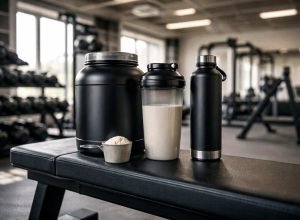
Whey protein is another staple in my routine. It provides a fast-digesting source of essential amino acids, making it perfect for post-workout recovery.
Caffeine helps improve focus and endurance, especially during intense sessions. Beta-alanine can also support high-intensity efforts by reducing muscle fatigue.
I always remind myself that supplements support a solid diet—they don’t replace it.
How Do I Adjust Nutrition Based on My Fitness Goals?
One thing I’ve learned is that sports nutrition needs to match your goals.
When I focus on muscle gain, I increase calories and protein intake to support growth. For fat loss, I reduce calories slightly while keeping protein high to preserve muscle.
For endurance training, I increase carbohydrate intake to maintain energy over longer periods. These adjustments allow me to stay aligned with my goals instead of following a generic plan.
Tracking how my body responds has been key to making effective changes.
How to Build a Practical Sports Nutrition Plan That Works

I keep my approach simple and sustainable. First, I focus on consistency rather than perfection. Eating balanced meals every day matters more than occasional perfect days.
Next, I align my meals with my training schedule. Pre-workout meals fuel performance, while post-workout meals support recovery.
I also pay attention to how my body feels. If I notice fatigue, I adjust my carb intake. If recovery feels slow, I increase protein.
Over time, these small adjustments helped me build a routine that supports both performance and long-term health.
Frequently Asked Questions About Sports Nutrition
1. What is sports nutrition and why is it important?
Sports nutrition focuses on fueling the body to improve performance, recovery, and overall health through proper diet and timing.
2. How much protein do athletes need daily?
Most athletes need around 1.2–2.0 grams of protein per kilogram of body weight to support muscle repair and growth.
3. What should I eat before and after workouts?
Before workouts, focus on carbs and protein for energy. After workouts, combine protein and carbs to support recovery and muscle repair.
4. Are supplements necessary for sports nutrition?
Supplements are not required but can help fill gaps. A balanced diet should always come first.
Wrapping It All Together
From my experience, sports nutrition is one of the most powerful tools for improving performance. Once I started fueling my body correctly, everything—from energy levels to recovery—improved.
If you stay consistent, focus on a balanced diet, and adjust based on your goals, you’ll see real results. It’s not about perfection—it’s about making smarter choices every day.