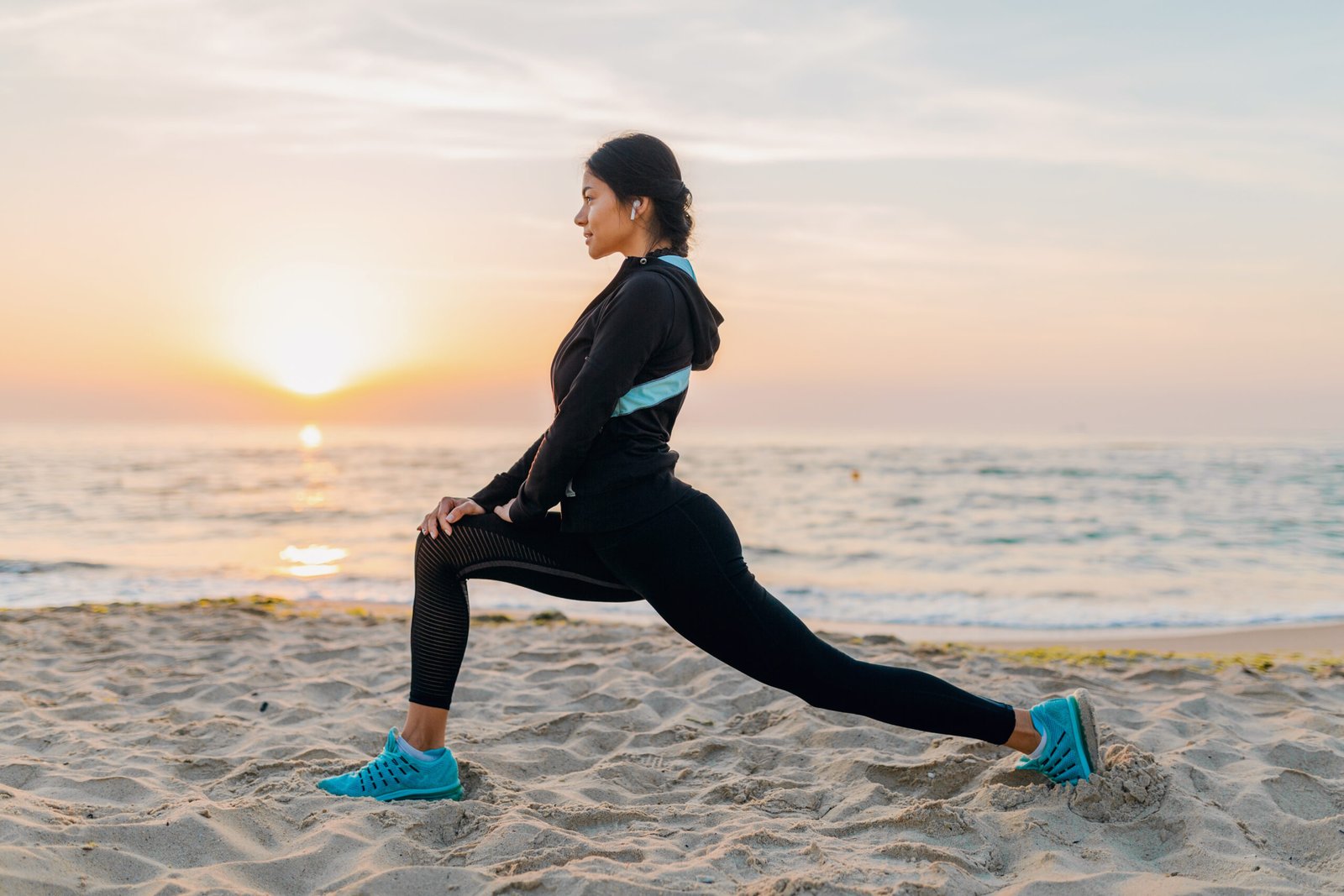
Most people think they’re training hard—but the truth is, they’re just going through the motions. I was doing the same thing, spending hours in the gym without seeing real improvements in speed, power, or agility. Then I discovered the difference that sports exercises actually make—and everything changed.
Instead of just lifting weights, I started training with purpose. My movements became sharper, my strength felt more explosive, and my performance finally matched my effort. If you want workouts that actually translate into real-world results—not just gym numbers—you’re in the right place.
In this guide, I’ll break down the exact sports exercises that can transform how you move, perform, and compete—whether you’re an athlete or just want to train like one.
What Are Sports Exercises and Why Do They Matter?
Sports exercises are physical movements designed to improve strength, speed, power, agility, and endurance for real athletic performance while supporting overall physical activity.
From my experience, the biggest difference between regular workouts and performance training is intent. These exercises don’t just build muscle—they improve how your body moves in real-life sports situations like sprinting, jumping, and changing direction.
They also play a major role in injury prevention. When your muscles, joints, and stabilizers work together efficiently, your body becomes more resilient during high-intensity interval activity.
Foundational Strength Movements Every Athlete Needs
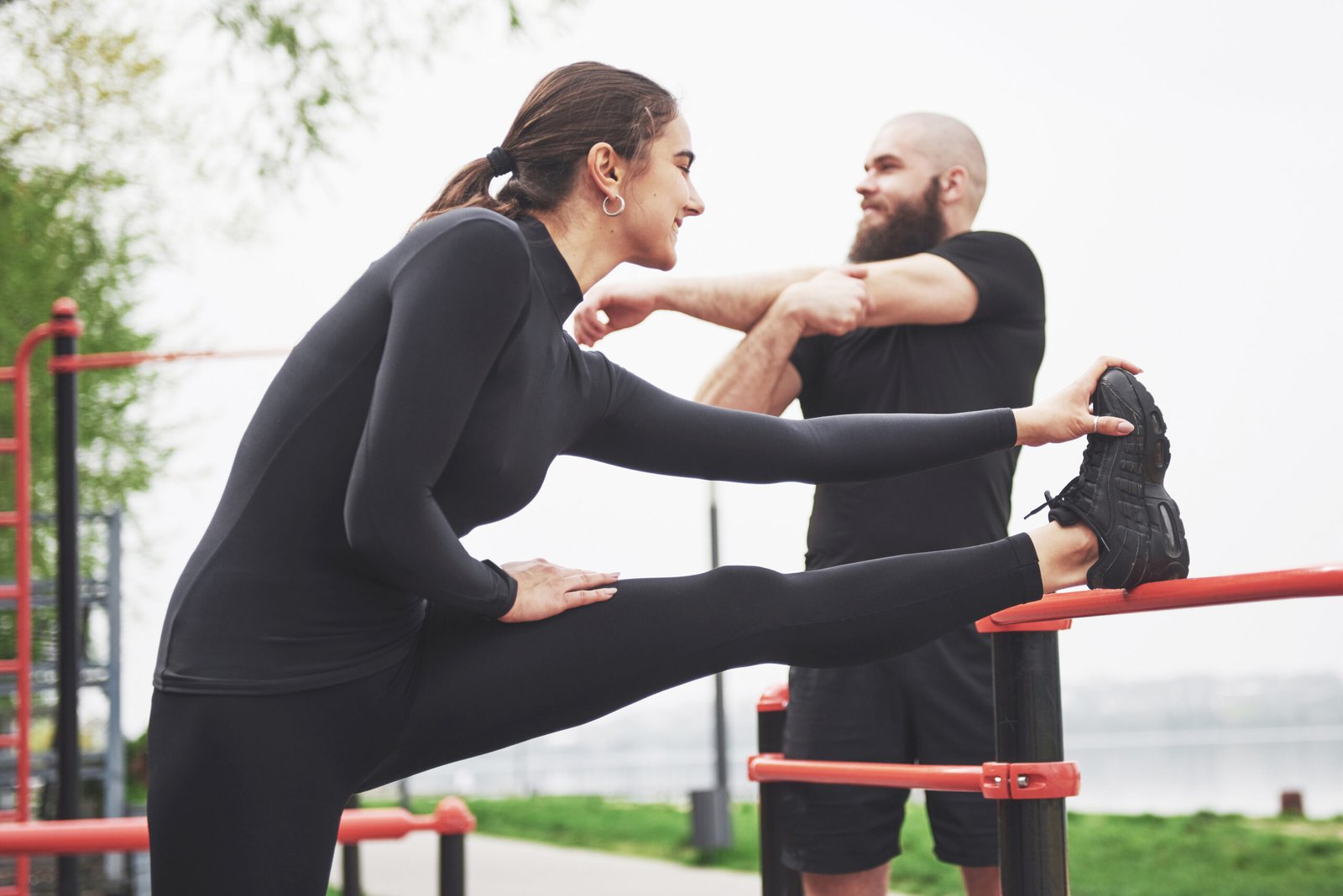
Foundational strength exercises build the base for almost every athletic skill. I always prioritize these because they directly impact power and stability.
Squats
Squats are essential for developing explosive leg power and lower-body stability. Variations like goblet squats and front squats help refine technique while building strength.
Deadlifts
Deadlifts target the posterior chain, including the hamstrings, glutes, and lower back. This is critical for acceleration, sprinting, and overall athletic movement.
Lunges
Lunges improve balance and correct side-to-side strength imbalances. They are especially useful for sports that involve cutting and quick directional changes.
Push-Ups and Rows
Push-ups build upper-body endurance, while rows improve back strength and posture. These movements support shoulder stability, which is important for sports like swimming, tennis, and basketball.
From my routine, these exercises form the backbone of any serious training plan.
Speed and Explosiveness Training (Plyometrics)
If strength builds the engine, plyometrics turn it into speed and power. These exercises train your muscles to generate maximum force quickly.
Lower-Body Explosive Drills
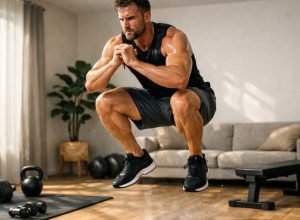
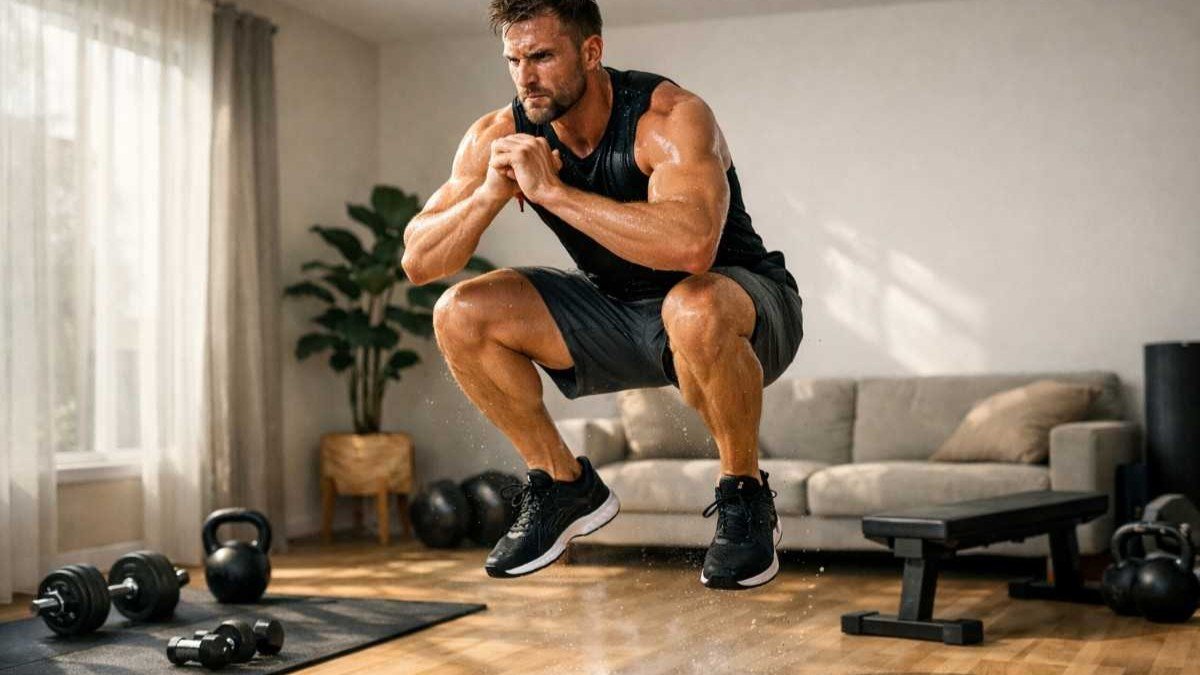
Exercises like squat jumps, box jumps, and single-leg hops improve vertical jump and sprint speed. I’ve personally seen huge improvements in reaction time after adding these.
Upper-Body Explosive Movements
Medicine ball throws and plyometric push-ups develop explosive strength in the upper body. These are especially useful for throwing and pushing sports.
Olympic Lifts
Movements like the clean are considered some of the best for total-body power. They combine strength, speed, and coordination in one movement.
Adding these into your routine transforms basic strength into real athletic performance.
Agility and Conditioning for Real-Game Performance
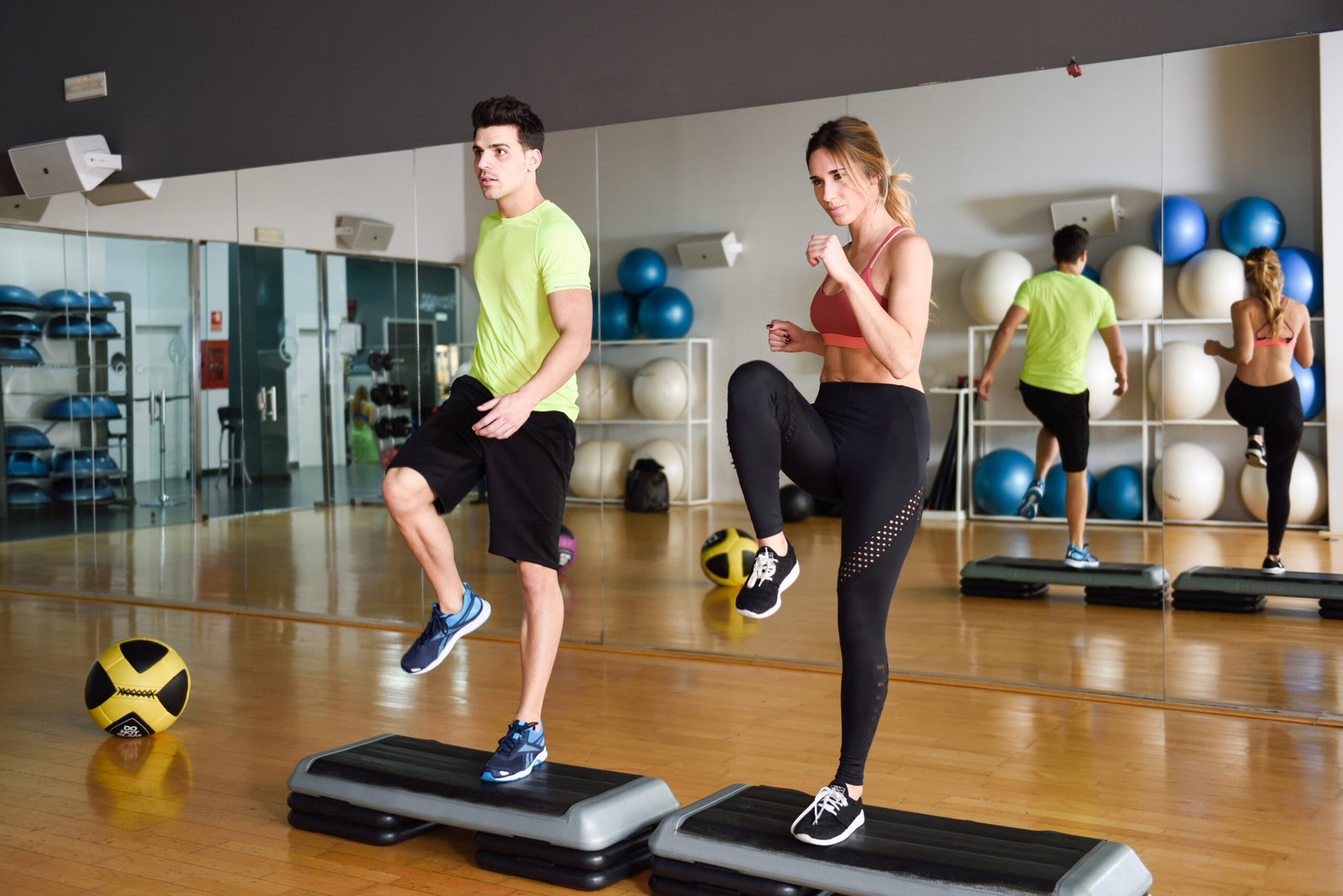
Agility and conditioning drills train your body to move efficiently and react quickly under pressure.
Agility Drills
Ladder drills, cone drills, and shuttle runs improve footwork, coordination, and reaction time. These are essential for sports like football, basketball, and soccer.
Speed Intervals
Sprint intervals and hill sprints build high-intensity endurance. I like using short bursts of sprinting followed by rest to simulate real-game conditions.
Sport-Specific Training
This includes drills tailored to your sport, such as shooting, passing, or ball control. These exercises bridge the gap between training and actual performance.
How Do Sports Exercises Improve Strength, Speed, and Endurance?
The real benefit of sports exercises comes from how they combine multiple training elements into one system.
Strength training builds muscle and force production, giving your body the ability to handle intense movements. Plyometric training converts that strength into explosive power.
At the same time, conditioning drills improve endurance, allowing you to maintain performance over longer periods. When you combine all three, you create a complete athletic system.
How To Build a Weekly Training Routine That Works
When I design my weekly plan using sports exercises, I focus on balance and consistency.
I usually train four to five days a week, alternating between strength training, plyometrics, and agility work. For example, I might focus on lower-body strength one day and speed drills the next.
I always include rest or recovery days because recovery is where real progress happens. Without it, performance drops and injuries increase.
Tracking progress is also important. Whether it’s lifting heavier weights or running faster times, measurable improvement keeps you motivated.
Common Mistakes to Avoid in Sports Training
One mistake I see often is focusing only on strength or only on cardio. A balanced approach always works better.
Another issue is poor form. Performing exercises incorrectly reduces effectiveness and increases injury risk.
Overtraining is another big problem. More workouts don’t always mean better results. Without recovery, your body cannot perform at its best.
Ignoring mobility is also a mistake. Flexibility and joint health are just as important as strength and speed.
Can Beginners Start Sports-Based Training Easily?
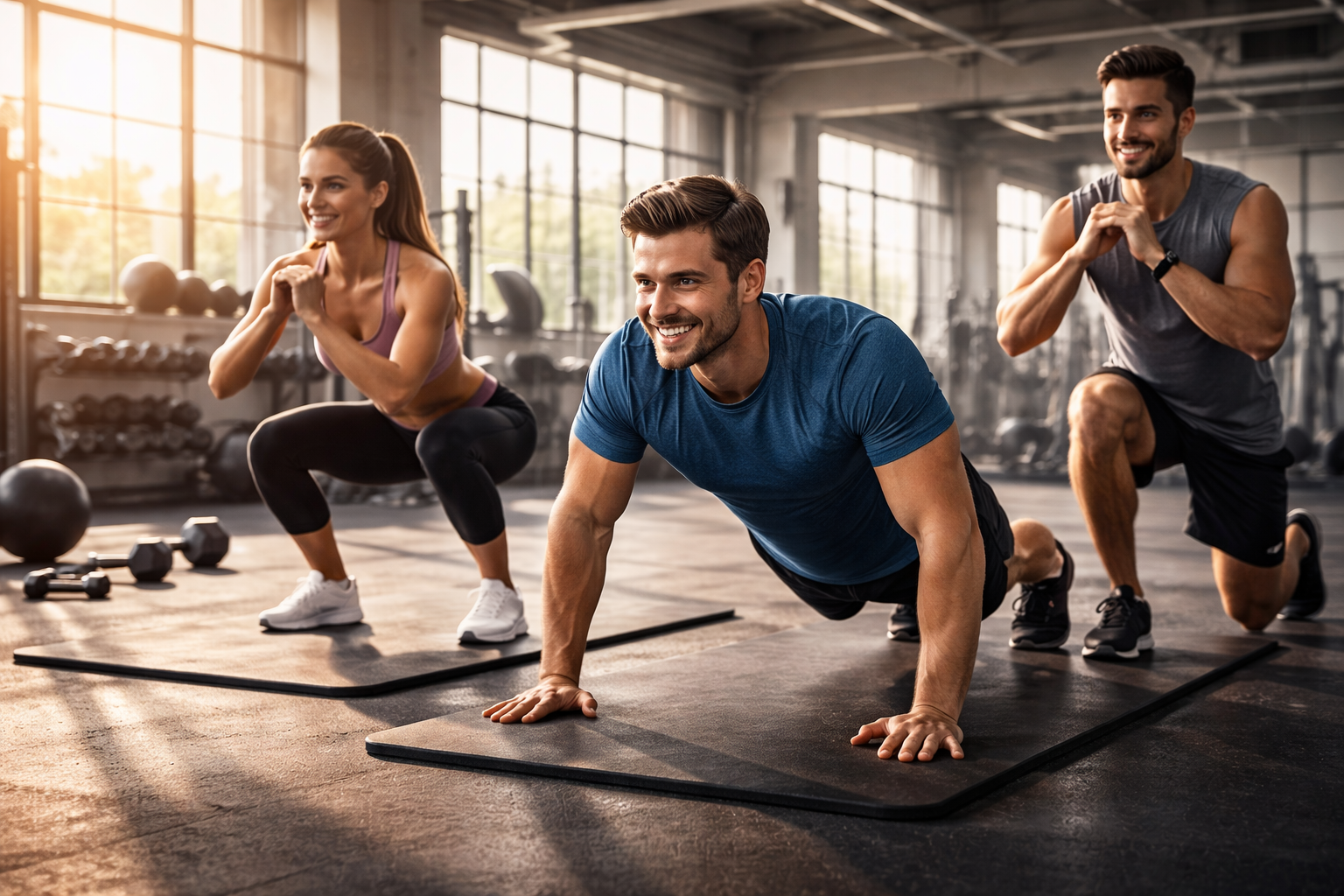
Yes, and I always recommend starting simple. Beginners can build a strong foundation using bodyweight exercises like squats, push-ups, and lunges.
As you gain confidence, you can gradually add weights and more advanced drills. The key is consistency and gradual progression.
In my experience, starting with proper technique matters more than lifting heavy.
FAQs About Sports Training
1. What are the best exercises for beginners?
Bodyweight movements like squats, push-ups, lunges, and planks are ideal starting points for building strength and coordination.
2. How often should I train?
Most people benefit from training three to five times per week, depending on recovery and goals.
3. Do these workouts help with fat loss?
Yes, combining strength and conditioning helps burn calories while building lean muscle.
4. Are these better than traditional gym workouts?
They are more functional because they improve real-world performance, not just muscle size.
Build Strength That Translates to Performance
From my experience, the biggest shift happens when you stop training randomly and start training with purpose, especially when you follow structured home sports training workouts that keep you consistent.
When you combine strength, explosiveness, agility, and recovery into one system, you don’t just get fitter—you become more athletic. Stay consistent, follow a structured plan, and your performance will improve faster than you expect.