
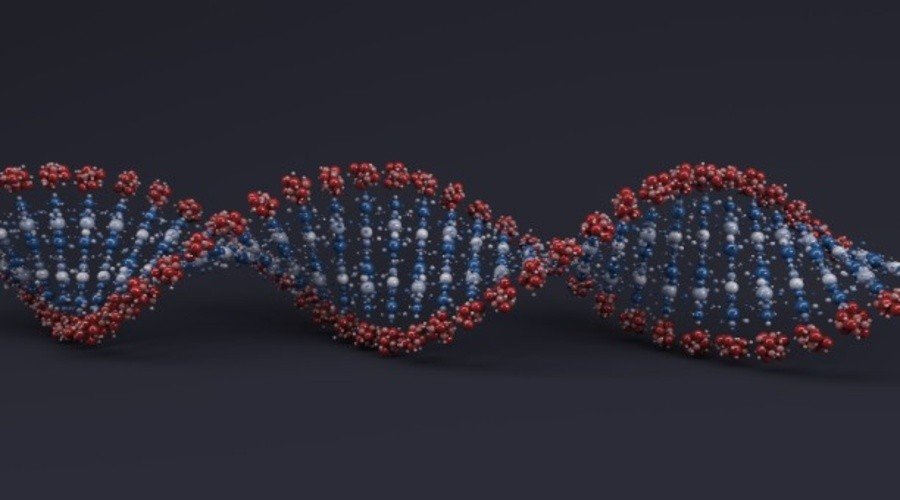
When I first started learning genetics, I honestly thought mutations were always dangerous. Movies, news stories, and even school lessons often make them sound like a problem. But the more I looked into it, the more I realized the answer is not that simple. DNA mutations good or bad is one of those questions that sounds easy until you understand how biology actually works.
A mutation is simply a change in DNA. That change can do nothing at all, create a problem, or sometimes even help an organism survive. What matters most is where the mutation happens, how it changes a protein, and whether the environment makes that change useful or harmful. Once I understood that, the topic became much less confusing.
What Does a DNA Mutation Actually Mean?
A DNA mutation happens when the genetic code changes. This can occur naturally as cells copy DNA, or it can happen because of outside factors like radiation, chemicals, or viruses. Our bodies have repair systems that fix many of these mistakes, but not every change gets corrected.
I like to think of DNA as a set of instructions. If one letter changes, the result may stay the same, become unclear, or completely alter the final product. In biology, that “product” is often a protein. Since proteins help run nearly everything in the body, even a tiny change can matter.
Some mutations happen in body cells during a person’s life. Others happen in reproductive cells and can be passed down to future generations. That difference is important because inherited mutations can shape traits over time, while acquired mutations often affect only one person.
Why Are Some Mutations Harmless While Others Cause Problems?
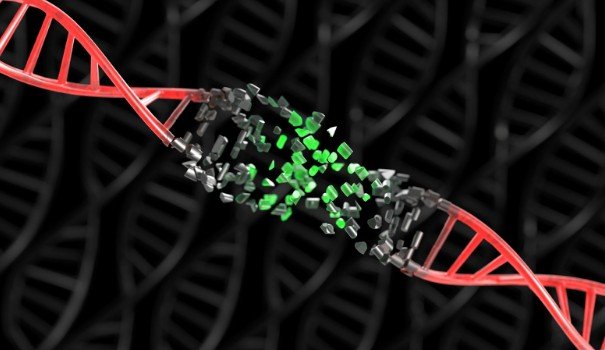
Not every mutation changes how the body works. Some are neutral, which means they do not noticeably affect health, appearance, or survival. This often happens when the mutation appears in a noncoding region or when the DNA change does not alter the final protein in a meaningful way.
Other mutations are harmful because they disrupt normal function. A change in DNA might produce a faulty protein that wreaks havoc, stop a protein from being made, or interfere with how cells grow and divide. That is why certain mutations are linked to inherited disorders, developmental conditions, and even some cancers.
What surprised me most was how context changes everything. The same kind of mutation can be harmful in one situation and less serious in another. Biology is rarely black and white, and mutations are a perfect example of that.
DNA Mutations Good or Bad in Everyday Biology?
This is where the topic becomes interesting. Most people hear the word mutation and immediately think “bad,” but nature does not work by simple labels. Many mutations are neutral, meaning they quietly exist without causing any major effect. In fact, your body likely carries DNA changes that never create obvious problems.
Harmful mutations do exist, and they deserve attention because they can affect health in serious ways. Some increase disease risk, while others directly cause genetic disorders. When a mutation damages a key biological process, the outcome can be severe.
But beneficial mutations also exist, even if they are less common. These changes can improve survival in a certain environment. Over long periods, helpful mutations contribute to evolution by giving some individuals an advantage that can be passed on.
How Do Beneficial Mutations Help Survival and Evolution?
One of the easiest ways I understood this was by looking at evolution. If a mutation helps an organism survive disease, handle climate conditions, or use food more efficiently, that trait may become more common over generations. It is not magic. It is simply natural selection working with genetic variation.
A classic example involves resistance. In some species, mutations help them survive threats that would otherwise kill them. Bacteria can develop resistance to antibiotics, insects can become resistant to pesticides, and humans can carry genetic traits that offer protection in certain environments. These are powerful reminders that mutations can be useful.
That said, beneficial does not mean universally good forever. A mutation that helps in one environment may not help in another. I always keep that in mind because it explains why mutations should be judged by their actual effect, not by fear or assumption.
DNA Mutations Good or Bad for Human Health?
When we talk about human health, the answer depends on the specific mutation. Some mutations never cause symptoms and may only show up in a genetic test. Others raise the chance of disease without guaranteeing it. Some directly affect how cells function and can lead to serious medical conditions.
This is also why doctors and researchers study mutation type, location, and impact so carefully. A single letter change in DNA can have very different outcomes depending on the gene involved. Two people may even respond differently to similar mutations because genetics is only one part of the full picture.
I think this is the most useful takeaway for everyday readers: a mutation is not a verdict. It is a biological change that needs context. Without context, the label alone does not tell the full story.
How To Understand Mutation Effects Without Feeling Overwhelmed
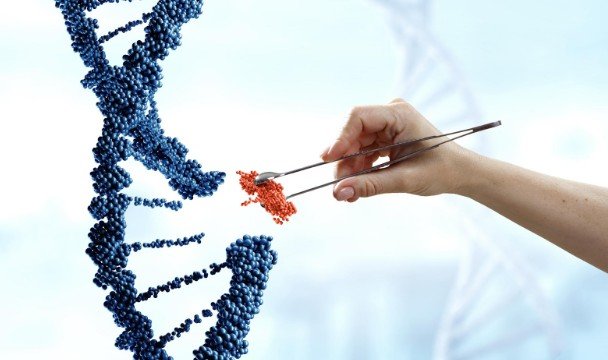
When I want to simplify this topic, I follow a basic step-by-step approach. First, I ask whether the mutation changes a protein or leaves it mostly untouched. That instantly tells me whether the mutation is more likely to matter.
Finally, I look at the bigger picture. Does the mutation create harm, no visible effect, or a possible advantage in a certain environment? Once I frame it this way, genetics feels much more manageable and much less intimidating.
Frequently Asked Questions
1. Are DNA mutations always harmful?
No. Some mutations are harmful, some are neutral, and a few are beneficial. That is why the question DNA mutations good or bad cannot be answered with a simple yes or no.
2. Can beneficial mutations happen in humans?
Yes. Beneficial mutations can happen in humans, although they are less common than neutral ones. These mutations may offer an advantage in certain environments or conditions.
3. Do mutations always lead to disease?
No. Many mutations never cause disease at all. Some have no visible effect, while others only slightly influence risk rather than directly causing a condition.
What I Want You to Remember About Mutations
The biggest thing I have learned is that mutations are not automatically good or bad. They are changes in DNA, and their effects depend on what they alter and where they occur. Some are harmful, many are neutral, and a few help organisms adapt and survive.
If you have ever felt confused by genetics, you are not alone. I used to think mutations only meant danger, but now I see them as part of how life changes, survives, and evolves. Once you understand that balance, the whole topic starts to make a lot more sense.