
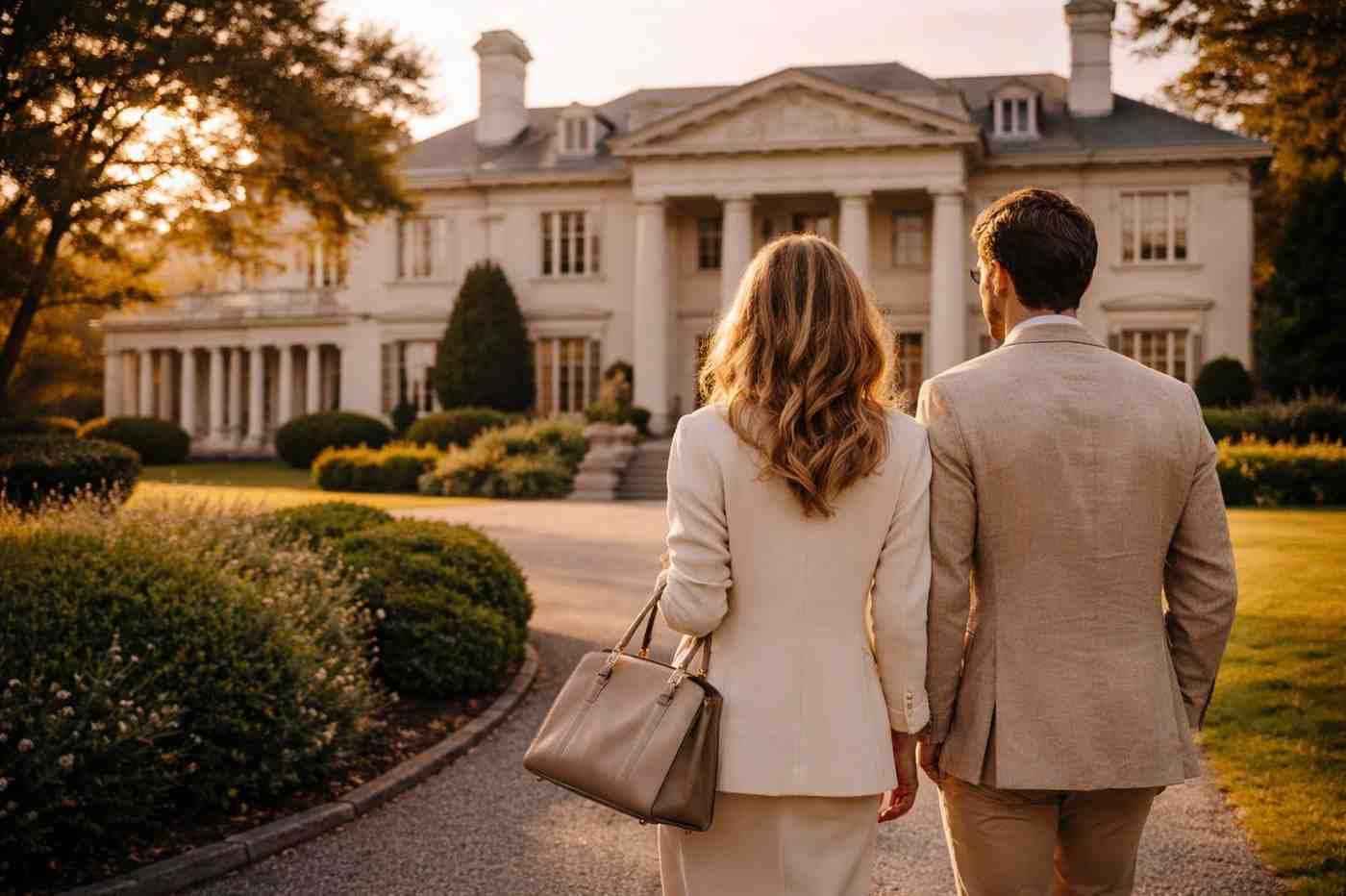
I remember the first time I tried to “dress old money.” Crisp shirt, neutral tones, loafers that looked like they belonged in a country club. On paper, it worked. In reality, something felt off. It looked… staged. Like I was trying to play a role instead of just getting dressed.
That’s when it started to click. What people call old money fashion style isn’t just about clothes. It’s about context, history, and a kind of ease that can’t really be bought overnight. And most of what you see online? It’s only scratching the surface or missing the point entirely.
It’s Not Just Aesthetic, It’s Social Signalling

Most people approach old money fashion style like a checklist. Neutral colors? Check. Tailored blazer? Check. Leather shoes? Check.
But the truth is, this style didn’t come from fashion trends. It came from environments where clothing quietly signalled stability, education, and long-term wealth. It wasn’t meant to stand out. It was meant to blend in with a very specific crowd.
That’s why copying the surface rarely works. Without the context, it can feel like imitation. The outfit looks right, but the energy feels off.
The “Wealth Cosplay” Problem No One Mentions

Scroll through social media, and you’ll see perfectly curated outfits labelled as old money aesthetic. Everything is ironed, coordinated, and camera-ready.
But real old-money outfits rarely look that polished.
They look worn in. Lived in. A little imperfect.
That’s the part most people skip.
What Gives It Away Instantly:
- Clothes look too new or untouched
- Outfits feel over-coordinated
- Fabrics lack weight and texture
- Everything looks styled for a photo, not real life
Authentic, timeless fashion style leans toward repetition. People wear the same blazer for years. Shoes get resoled. Sweaters soften over time. That quiet familiarity is hard to fake.
The Fast Fashion Trap
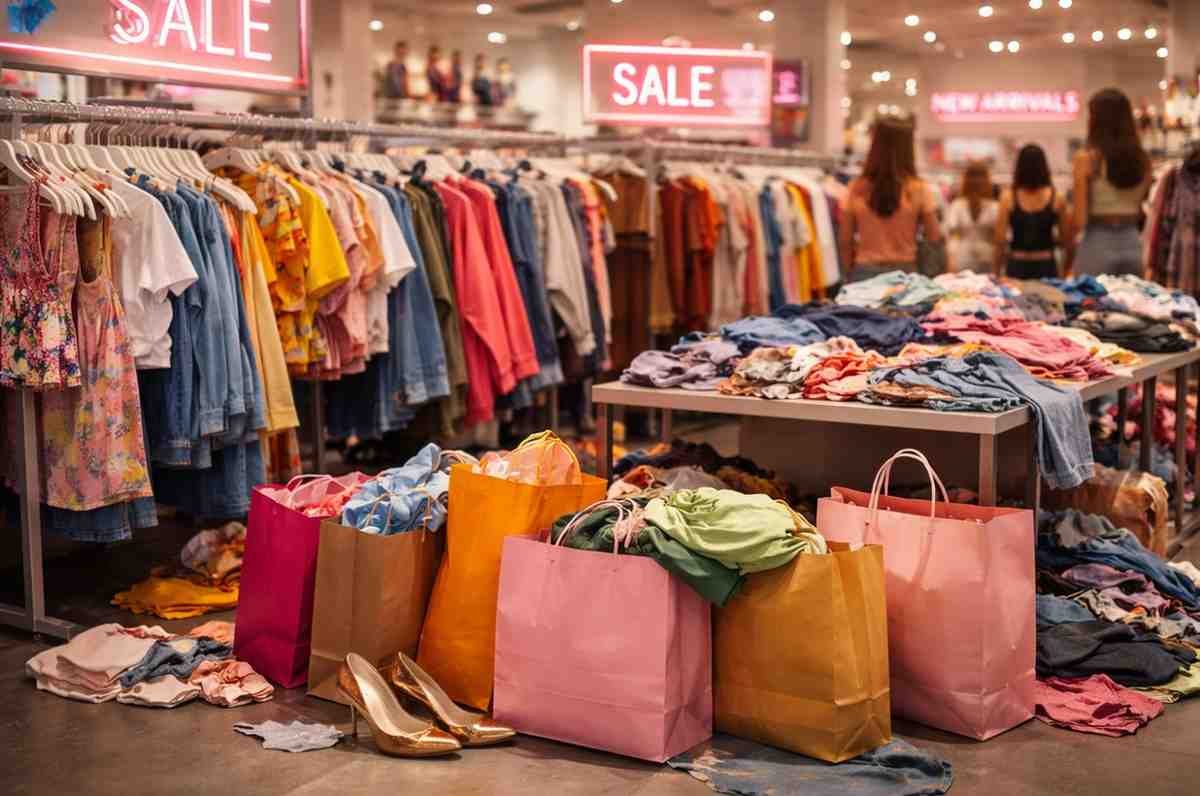
Here’s where things fall apart for most people trying to build this look.
They try to recreate understated luxury fashion using fast fashion.
On the surface, it seems possible. Brands replicate silhouettes quickly. You can find neutral colour palette outfits almost anywhere. But the difference shows up fast.
It’s in the fabric. The fit. The way the clothes age.
Old money style is built on quality over quantity fashion. Not in a trendy way, but in a practical one. When something is well-made, you don’t replace it often. That alone changes how your wardrobe evolves.
A polyester blazer might look fine on day one. But it won’t hold structure, texture, or presence over time. And that’s exactly what this style depends on.
Real Wealth Often Doesn’t Dress The Way You Think

This is probably the most uncomfortable truth.
A lot of genuinely wealthy people don’t dress like the aesthetic at all.
They’re not thinking about old money outfits. They’re not curating a look. They’re just getting dressed for their day.
You’ll see:
- Simple knits and worn denim
- Basic shirts on repeat
- Minimal concern for trends
- Outfits that look almost too plain
There’s a kind of refined nonchalance in how they dress. Not careless, but not overthought either.
And ironically, that’s what people struggle to replicate. Because trying to look effortless often ends up looking like effort.
The Style Rewards Consistency, Not Perfection
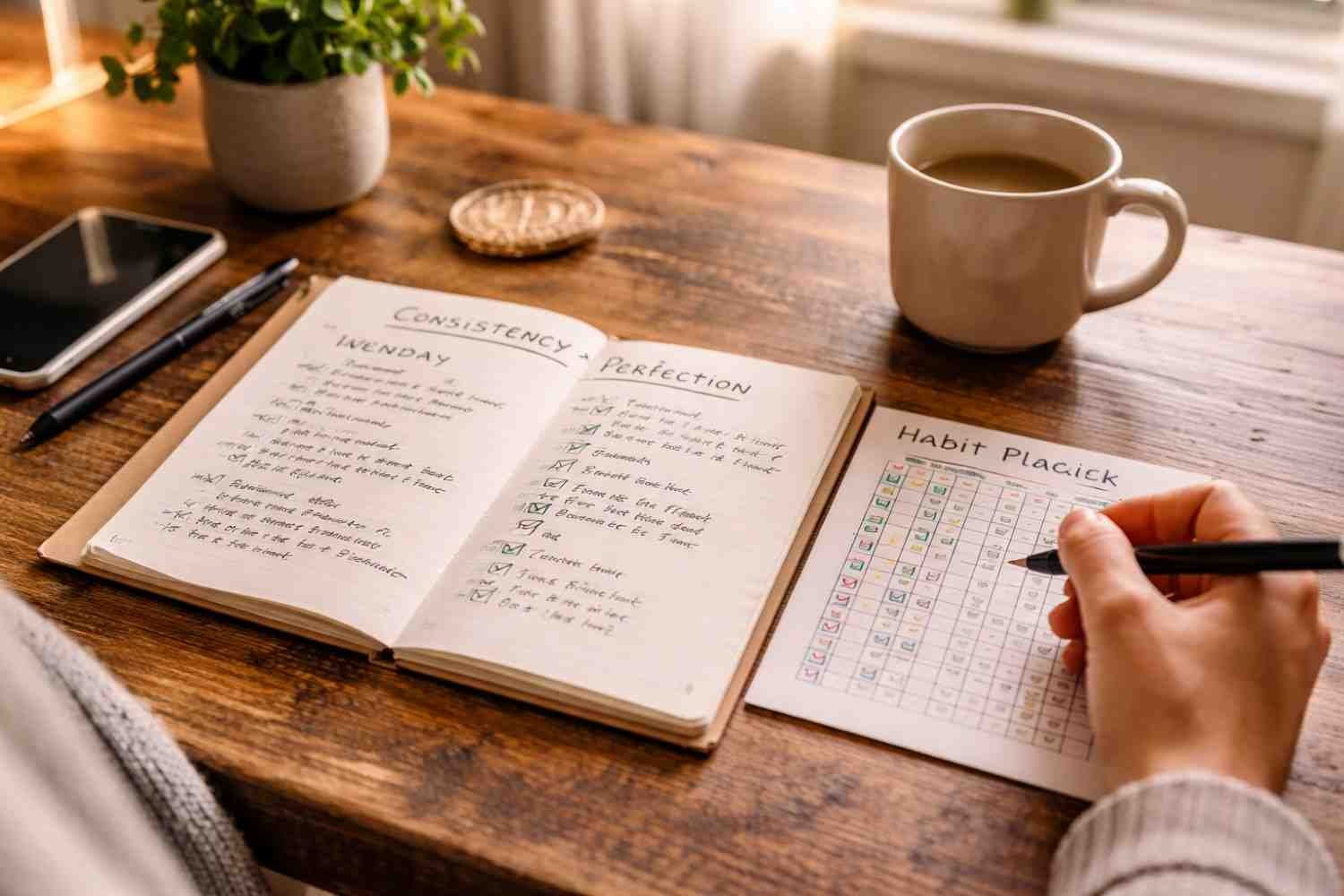
If you look at people who actually pull off this aesthetic naturally, there’s one pattern: consistency.
They don’t switch styles every season. They don’t chase trends. Their wardrobe evolves slowly.
That’s why capsule wardrobe ideas align so well here. Not because it’s minimal, but because it’s stable.
A few well-fitted pieces worn repeatedly will always feel more authentic than a rotating closet of “perfect” outfits.
There’s A Cultural Layer Most People Ignore
The old money aesthetic didn’t appear out of nowhere. It’s tied to specific institutions, environments, and histories, think Ivy League campuses, coastal towns, wedding guest dress ideas, and European tailoring traditions.
That’s why it often leans heavily on:
- Muted tones
- Preppy fashion style elements
- Conservative silhouettes
- Minimal branding
But this also creates a limitation.
It can feel narrow. Even exclusionary at times. Styles that use bold colours, logos, or cultural expression often get labelled as “too loud” or “new money,” which says more about bias than fashion.
Understanding this doesn’t mean rejecting the style. It just means being aware of where it comes from and where it doesn’t apply.
FAQs: The Truth About Old Money Fashion Style No One Talks About
1. What is old money fashion style really about?
It’s less about specific clothes and more about consistency, quality, and subtlety. The focus is on timeless pieces, minimal branding, and a natural, effortless appearance.
2. Can you achieve old money style on a budget?
Yes, but the approach matters. Focus on fewer, better-quality items instead of fast fashion. Fit, fabric, and repetition matter more than brand names.
3. Why do old money outfits often look simple?
Because they’re not designed to stand out. The simplicity reflects stability and confidence, not a need for attention.
4. Is old money fashion style still relevant today?
Yes, but it’s evolving. While the core ideas remain, modern interpretations are blending with minimalism and more relaxed silhouettes.
Final Thoughts
At some point, chasing the old money aesthetic stops being about style and starts becoming about identity. That’s where most people lose the plot. Because the more you try to look like something, the less natural it feels. Real style, especially this kind, comes from repetition, comfort, and not needing validation from how you’re dressed.
If there’s anything worth taking from old money fashion style, it’s this: wear your clothes long enough that they start to feel like yours. Everything else is just surface.