
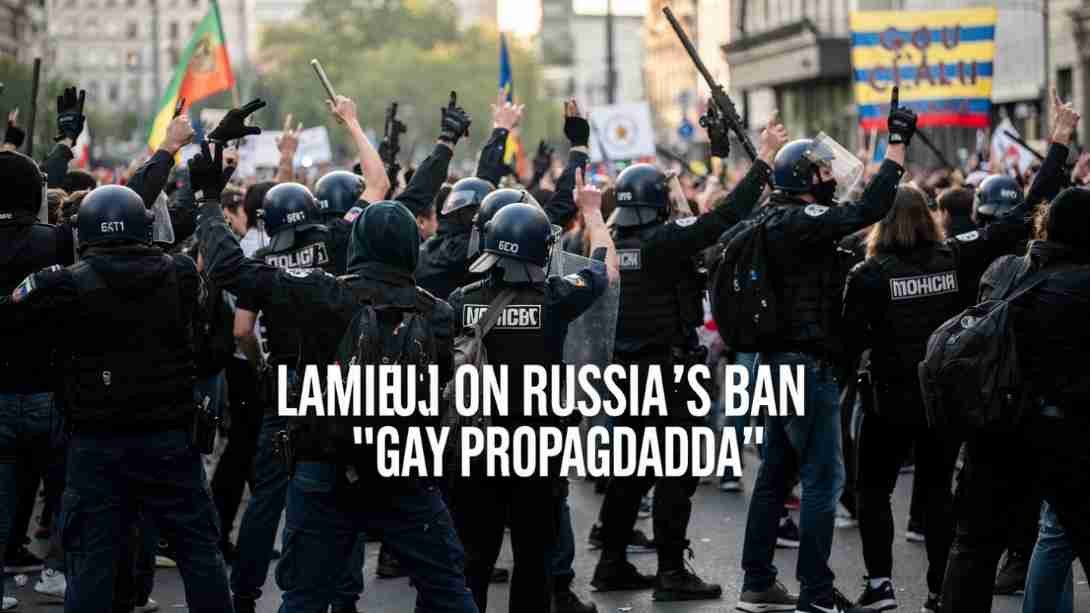
What happened inside a Moscow nightclub last week is not just an isolated act of violence—it reflects a much deeper and troubling shift in society. As I looked into this incident, I realized how quickly policies and public attitudes can shape real-world actions.
A Night That Turned Into Violence
In central Moscow, a gay-friendly club became the target of a coordinated attack. Alyona Korolyova, who had witnessed decades of social change, suddenly found herself in a situation she described as a nightmare.
A group of masked men stormed the club, overturning tables, throwing chairs, and attacking people without warning. Witnesses said the attackers moved with purpose, suggesting planning rather than chaos. Within minutes, several individuals were injured, with some requiring hospital treatment.
What made the situation even more alarming was the claim that the attack had been “ordered,” raising serious concerns about intent and motive.
The Role of “Gay Propaganda” Laws
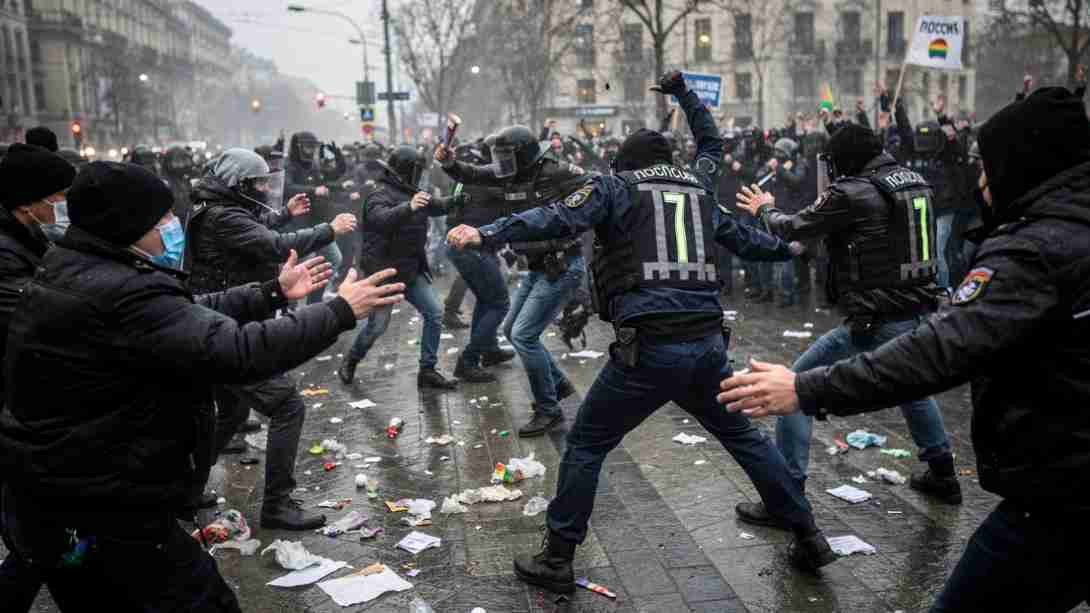
To understand the broader context, I had to look at the legal environment in Russia.
In recent years, multiple regions have introduced laws banning what is referred to as “homosexual propaganda.” These laws restrict public discussion and visibility of LGBTQ+ identities, especially in spaces accessible to younger audiences.
Cities like St Petersburg have played a major role in advancing such legislation, which has also been discussed at the national level in the State Duma.
While these laws are presented as protective measures, many believe they indirectly encourage discrimination by labeling certain identities as unacceptable.
A Pattern of Rising Attacks
The Moscow incident is not an isolated case. Similar attacks have been reported in different regions shortly after such laws were introduced or debated.
Organizations like LGBT Network have highlighted a recurring trend: increased hostility and violence often follow the introduction of restrictive policies.
This suggests that the issue is not just about isolated individuals but reflects a broader shift in societal behavior.
Public Opinion and Political Influence
Public attitudes also contribute to the situation. Surveys conducted by Levada Center show that many people hold negative perceptions about homosexuality.
Political figures such as Vitaly Milonov have been vocal in supporting these views, often framing homosexuality in negative terms. Such narratives, when repeated in public discourse, can influence how society responds to LGBTQ+ individuals.
The Impact on Everyday Lives
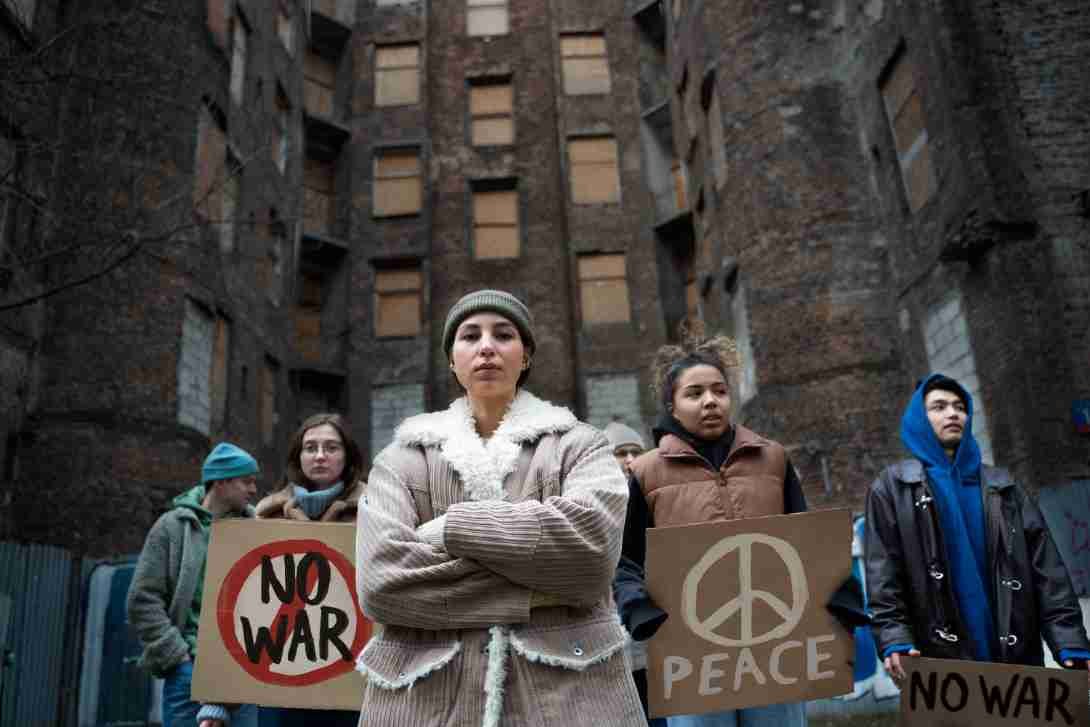
For people like Korolyova, the effects are deeply personal. What once felt like gradual progress has shifted toward uncertainty and fear.
Public events are often restricted, and legal limitations make it harder for LGBTQ+ communities to express themselves openly. Despite this, many individuals continue to stand firm and refuse to hide their identities.
Why This Story Matters
From my perspective, this situation highlights how laws and societal attitudes are closely connected. Policies do not exist in isolation—they influence how people think, behave, and treat others.
When a group is repeatedly portrayed in a negative light, it can lead to normalization of discrimination, and in extreme cases, violence.
FAQs
What is the “gay propaganda” law in Russia?
It refers to laws that restrict the promotion or discussion of LGBTQ+ identities in public spaces, especially where minors may be present.
Does this law directly cause violence?
The law itself does not call for violence, but activists argue it creates an environment where discrimination and hostility become more accepted.
Are such attacks increasing?
Reports from advocacy groups suggest that attacks and harassment tend to rise after such laws are introduced or publicly debated.
Why is public opinion important in this issue?
Public perception influences policy and behavior. When negative views are widespread, they can reinforce laws and increase social intolerance.
When Laws Shape Real-World Consequences
Looking at this entire situation, one thing stands out clearly to me: laws shape behavior beyond what is written on paper. When policies create division, they often lead to real-world consequences that affect everyday lives.
At the same time, stories like Korolyova’s show resilience. Even in difficult circumstances, people continue to stand up for their identity and refuse to be pushed into silence. That persistence is what keeps the conversation alive and progress possible.