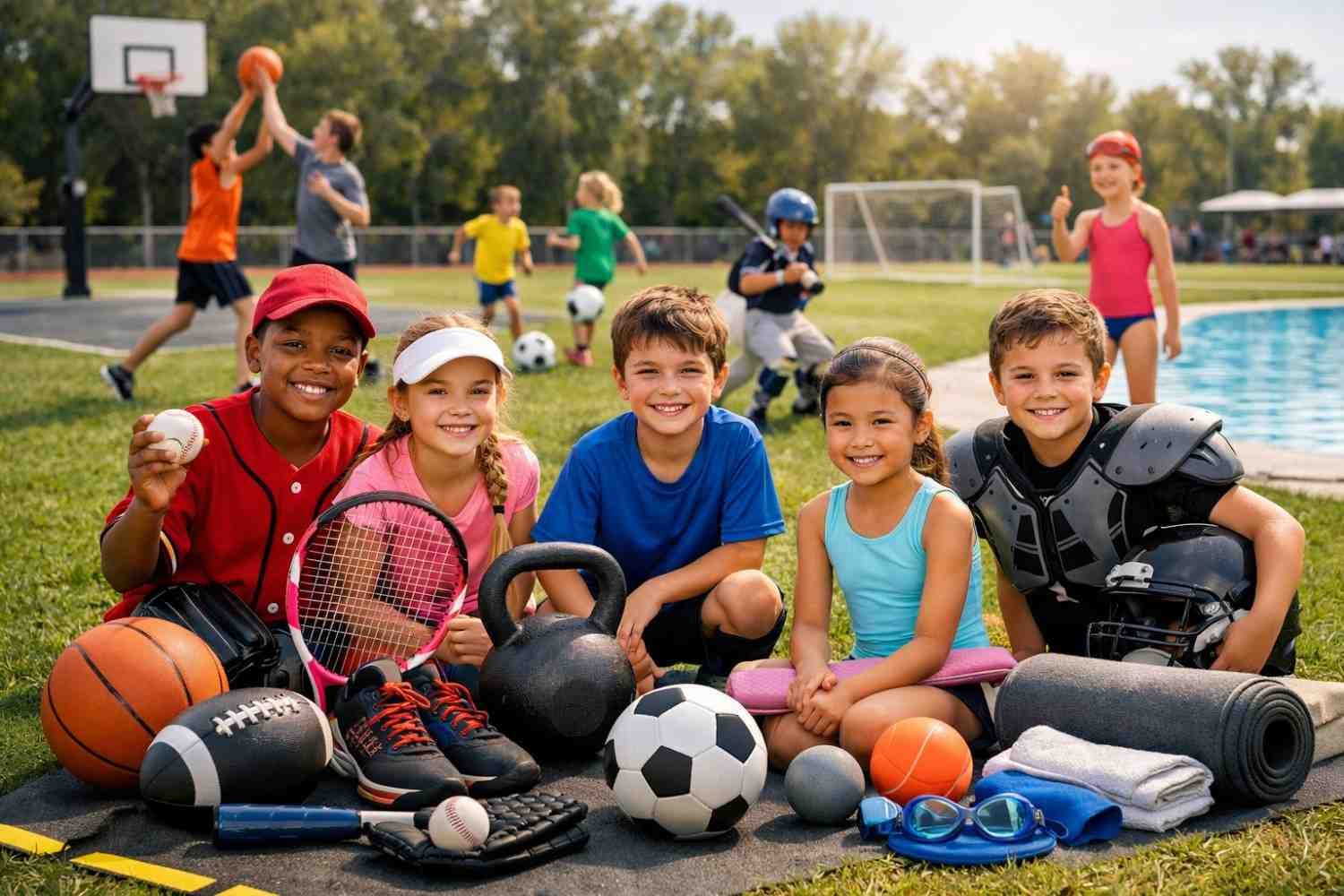
When I first searched for the best sports for kids, I expected a simple answer. Instead, I found endless lists that didn’t really help me decide.
What I’ve learned since then is that the right sport depends on much more than popularity. It’s about matching your child’s stage of development with the right kind of activity.
In this blog, I’ll break down exactly how I approach it so you can make a confident decision without second-guessing yourself.
What Are the Best Sports for Kids by Age?
One thing I always focus on is age. Kids develop physically and mentally at different stages, so choosing age-appropriate sports makes a huge difference.
Ages 3–5: Building Basic Movement Skills
At this stage, I keep everything simple and fun. Kids are still learning balance and coordination, so structured competition doesn’t work well.
Swimming is one of my top choices because it builds full-body strength and teaches a life-saving skill. Gymnastics is also great for improving flexibility, coordination, and body awareness.
Cycling and basic soccer drills also help kids develop motor skills while keeping things playful. At this age, enjoyment matters more than performance.
Ages 6–9: Developing Skills and Confidence
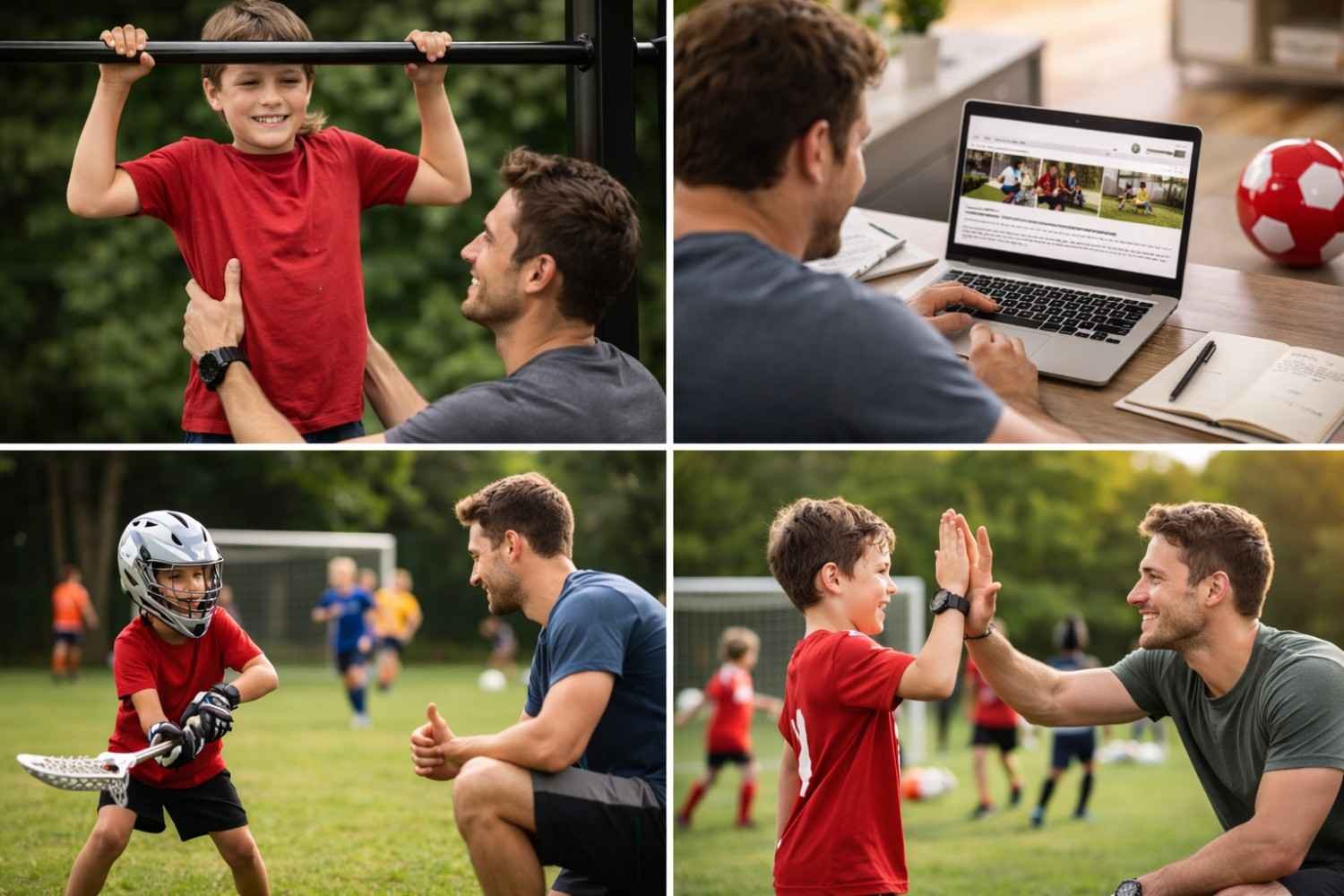
Once kids can follow rules and stay focused longer, I introduce more structured sports.
Soccer is one of the easiest sports to start with. It improves endurance, teamwork, and coordination without requiring expensive equipment. Martial arts like karate or taekwondo help build discipline and emotional regulation.
Tennis and badminton are also excellent choices for improving reflexes and hand-eye coordination. I’ve seen kids gain confidence quickly when they start mastering these skills.
Ages 10–12+: Strategy, Competition, and Growth
Older kids are ready for more competitive and strategic sports.
Basketball is great for agility, quick thinking, and teamwork. Track and field works well for kids who enjoy setting personal goals and improving over time.
Cricket and baseball teach patience, timing, and strategic thinking. At this stage, kids often start identifying with their sport, so choosing something they enjoy becomes even more important.
Which Team Sports Are Best for Social and Active Kids?
If your child loves being around others, team sports are usually the best fit.
Soccer and basketball are among the most popular youth sports in the U.S., and I’ve found they’re great for building friendships and communication skills. Kids learn how to work together, handle wins and losses, and stay motivated.
Baseball and softball are ideal for kids who prefer a slower pace but still enjoy being part of a team. These sports also teach patience and focus in a unique way.
From my experience, team sports help kids develop leadership skills and emotional resilience faster than most other activities.
Which Individual Sports Are Best for Independent Kids?
Not every child thrives in a team environment, and that’s completely normal.
Swimming is one of the most effective individual sports because it builds strength, endurance, and discipline. Tennis allows kids to improve strategy and coordination while working independently.
Gymnastics and martial arts are also excellent options for kids who prefer structure and personal progress. These sports help build confidence without relying on group dynamics.
I’ve noticed that individual sports are especially helpful for shy kids who need time to grow at their own pace.
Team vs Individual Sports: What Works Best?
Here’s how I usually compare both options when choosing:
Team sports like soccer and basketball build social skills, teamwork, and a sense of belonging. Kids learn how to communicate and handle pressure as part of a group.
Individual sports like tennis and swimming focus on self-discipline, accountability, and personal growth. Kids take full responsibility for their progress.
In many cases, I prefer a mix of both. It gives kids a balanced experience and helps them develop different life skills.
What Are the Physical and Mental Benefits of Youth Sports?
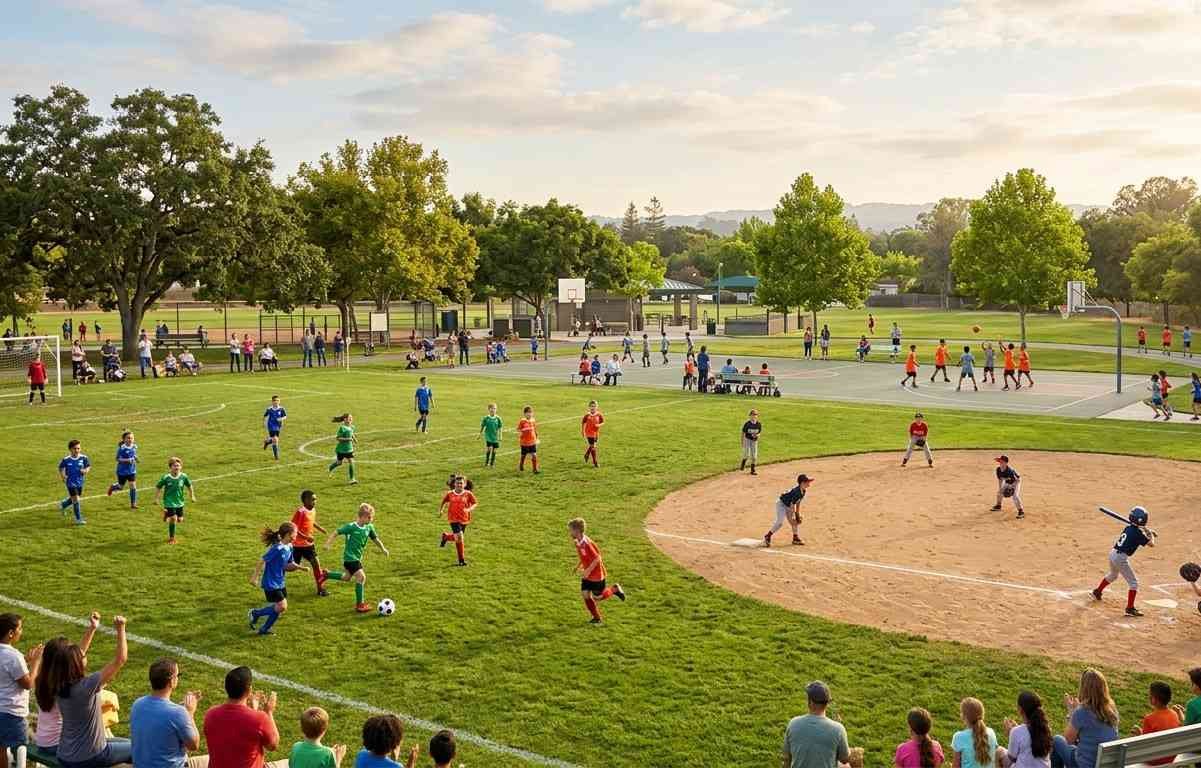
The benefits go far beyond just staying active.
Physically, sports improve heart health, bone strength, coordination, and overall fitness. Kids who stay active early are more likely to maintain healthy habits later in life.
Mentally, sports help reduce stress, improve focus, and build self-esteem. I’ve seen kids become more confident simply by achieving small milestones in their sport.
There’s also an academic benefit. Active kids often show better concentration and time management in school, which is something many parents don’t expect.
What Are the Best Beginner Sports for Kids?
If your child is new to sports, I always recommend starting simple.
Soccer is one of the easiest entry points because it’s intuitive and widely available across the U.S. Swimming is another beginner-friendly option that builds essential life skills.
Gymnastics works well for younger kids who need to develop coordination, while martial arts provide a structured and supportive learning environment.
The key is to keep the experience positive. When kids enjoy their first exposure, they’re more likely to stick with it.
How Do I Choose the Right Sport for My Child?
This is where I rely on observation rather than guesswork.
I look at my child’s personality first. High-energy kids usually enjoy fast-paced sports like basketball or soccer. More focused kids often prefer tennis, swimming, or martial arts.
I also consider practical factors like cost, travel, and time commitment. Some sports can become demanding quickly, so I always plan ahead.
Most importantly, I let my child try different options. Trial sessions reveal more than any research ever could.
What Signs Tell Me a Sport Is the Right Fit?
I pay close attention to how my child reacts.
If they’re excited about practice and eager to improve, that’s a strong sign. Progress doesn’t have to be fast, but consistent interest matters.
I also watch how they handle challenges. If they stay engaged even after setbacks, it usually means they’ve found the right fit.
If frustration outweighs enjoyment, it may be time to explore something else.
When Should Kids Switch or Quit a Sport?
I don’t believe kids should quit just because something feels difficult. Challenges help them grow.
But if a sport consistently causes stress, burnout, or loss of interest, I reassess. Balance is important, especially with school and other responsibilities.
Sometimes switching sports can actually boost confidence and bring back motivation.
How To Find the Best Sports for Kids Step by Step
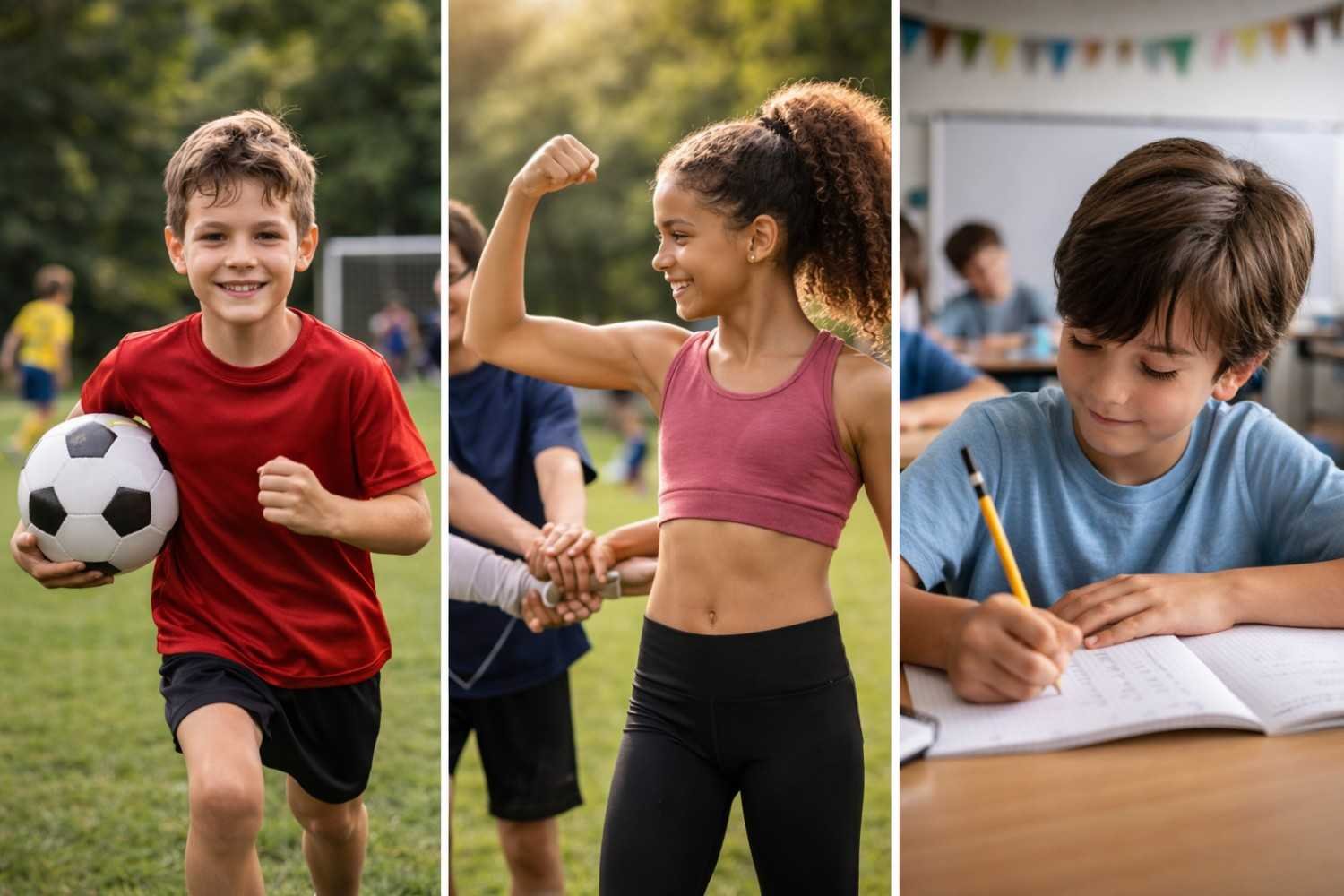
First, I identify my child’s personality and energy level. This helps narrow down the options, including whether they might benefit from activities that introduce basic strength training in a safe, age-appropriate way.
Next, I research local youth sports programs and look for beginner-friendly environments with good coaching.
Then, I schedule trial sessions so my child can experience different sports without pressure.
After that, I evaluate their interest, comfort level, and excitement.
Finally, I choose a sport that balances enjoyment, growth, and long-term sustainability. This step-by-step approach has consistently worked for me.
FAQs About Best Sports for Kids
1. What is the best age to start sports?
Most kids can start basic activities at age 3–4, while structured team sports usually begin around 5–7.
2. Which sport is safest for kids?
Swimming, tennis, and track are generally considered safer options when supervised properly.
3. How many sports should a child play?
I recommend starting with one or two sports to avoid burnout and allow proper focus.
4. What are the best sports for kids who are shy?
Individual sports like swimming, tennis, and martial arts work well because they reduce social pressure.
A Smarter Way to Raise Active and Confident Kids
When I think about the best sports for kids, I focus on what helps them grow, not just what looks impressive, including how proper nutrition and even Sports Nutrition Supplements can support their development when used appropriately.
The right sport builds confidence, discipline, and lifelong habits. And when you match it to your child’s age and personality, everything becomes easier.
In my experience, the goal isn’t to raise a professional athlete. It’s to raise a happy, active, and confident kid who enjoys the journey.