

Recovery after surgery can feel overwhelming, especially when your body starts reacting in unexpected ways. Body changes after myomectomy are a natural part of healing, but understanding them early helped me feel more prepared, less anxious, and more in control of the entire recovery process.
Immediate Physical Body Changes After Myomectomy
Right after surgery, your body focuses entirely on healing and repair.
Abdominal Swelling And Belly Bloat
One of the most noticeable early body changes after myomectomy is abdominal swelling. The belly may feel puffy or tight due to inflammation, trapped gas, and slowed digestion after surgery. This swelling can last for several weeks and often feels worse at the end of the day. Gentle walking, hydration, and avoiding heavy meals can help reduce this discomfort gradually.
Visible Scars And Incision Healing
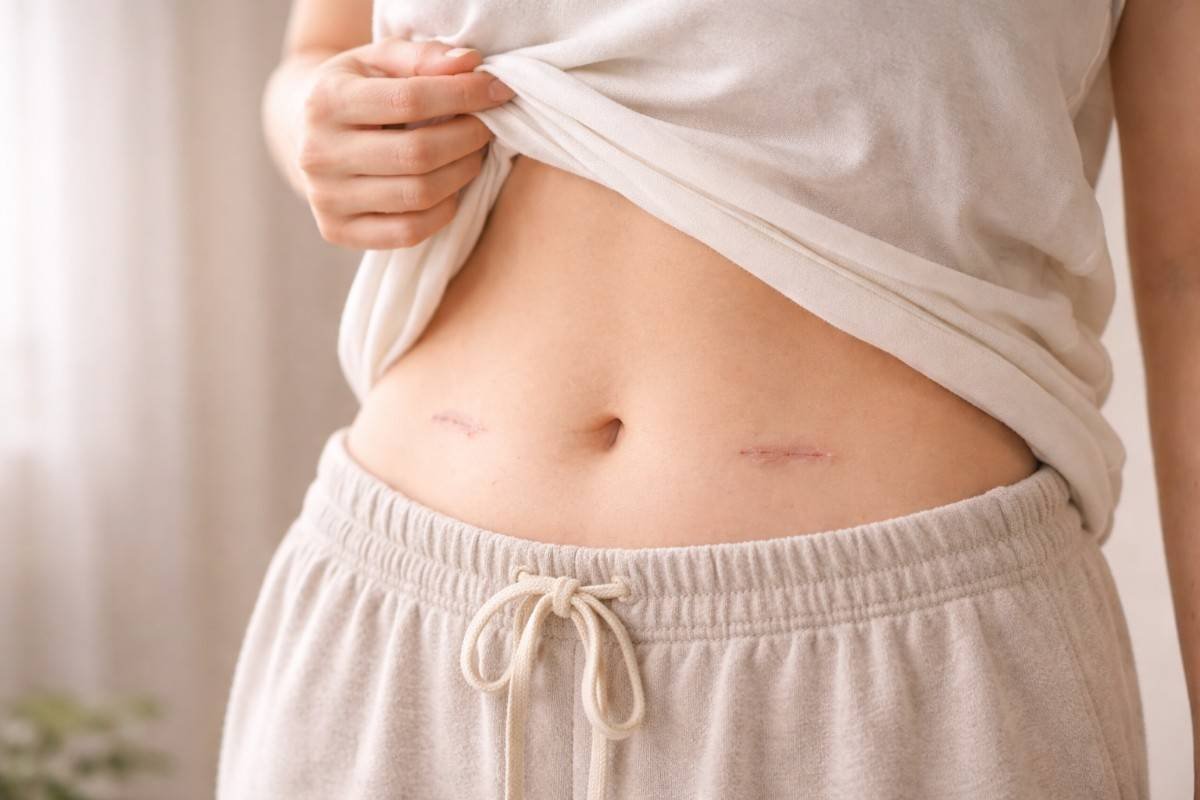
Scarring depends on the type of surgery performed. Open myomectomy usually leaves a horizontal scar near the lower abdomen, while laparoscopic procedures result in smaller incision marks. These scars may feel tender, itchy, or slightly raised at first. Over time, they fade and become less noticeable, especially with proper care and healing.
Vaginal Bleeding And Discharge
Light spotting or reddish-brown discharge is very common after surgery. This happens as the uterus heals internally and sheds residual tissue. This discharge can continue for a few weeks and should gradually decrease. It is usually not a concern unless it becomes heavy or has an unusual odor.
Changes In Uterine And Menstrual Function
As healing progresses, your reproductive system begins to reset.
Lighter Periods And Pain Relief
One of the most positive body changes after myomectomy is the improvement in menstrual symptoms. Many people experience lighter periods and reduced cramping. Uterine Fibroids often cause heavy bleeding and discomfort, so their removal allows the uterus to function more normally.

Cycle Irregularity In Early Months
The first one or two cycles after surgery may feel unpredictable. Periods can arrive earlier or later than expected, and flow may vary. This is simply your body recalibrating after the removal of fibroids and adjusting hormone patterns.
Reduced Pelvic Pressure
Another noticeable change is the relief of pelvic pressure. Many people describe a feeling of lightness after surgery. Symptoms like frequent urination or constipation often improve because the fibroids are no longer pressing against nearby organs.
Internal And Hormonal Body Changes After Myomectomy
Not all changes are visible, but they are just as important.
Internal Scarring And Adhesions
Scar tissue can form inside the uterus or around surrounding tissues. In most cases, these adhesions do not cause problems. However, some people may feel a pulling sensation or mild discomfort during recovery as tissues heal and adjust.
Temporary Hormonal Imbalance
Although the ovaries are usually untouched, surgery can temporarily disrupt hormonal balance. This may lead to symptoms like mood swings, night sweats, or mild hot flashes. These changes are usually short-term and stabilize as the body recovers.
Fatigue And Low Energy Levels
Fatigue is one of the most underestimated body changes after myomectomy. Healing requires a lot of energy, which can leave you feeling drained even after simple tasks. Rest, proper nutrition, and hydration play a major role in restoring energy levels over time.
Long Term Outlook And Risks After Myomectomy
Looking ahead helps set realistic expectations and reduces anxiety.
Fertility And Pregnancy Considerations
Myomectomy preserves the uterus, which can improve fertility in many cases. However, depending on how deep the fibroids were removed, doctors may recommend specific precautions during pregnancy. In some situations, a planned Caesarean or C-section may be advised to reduce risks during delivery.
Risk Of Fibroid Recurrence
While surgery removes existing fibroids, it does not prevent new ones from developing. Studies suggest that some people may experience recurrence within a few years. Regular check-ups and monitoring can help detect any changes early and manage them effectively.
How To Manage Body Changes After Myomectomy
Managing recovery properly makes a noticeable difference in how your body responds.

- Start by prioritizing rest in the early weeks, allowing your body to focus on healing without unnecessary strain. Avoid rushing back into normal routines, as overexertion can slow recovery. Gentle movement like short walks helps improve circulation and reduce swelling without putting pressure on the surgical area.
- Focus on a balanced diet that includes iron-rich foods, proteins, and hydration to support tissue repair and energy levels. Listening to your body is key, especially when it signals fatigue or discomfort.
- Over time, consistent care and patience help your body regain strength and return to normal function.
When To Call Your Doctor
Knowing when something is not normal can prevent complications.
Heavy Bleeding And Severe Pain
If bleeding becomes heavy enough to soak through pads quickly or pain feels intense and worsening, it should not be ignored. These symptoms may indicate complications that require immediate attention.
Signs Of Infection
Fever, foul-smelling discharge, or redness around incision sites can signal infection. Prompt medical care is important to prevent further issues and ensure proper healing.
Blood Clot Symptoms
Pain, swelling, or redness in one leg may indicate a blood clot. This is a serious condition and requires immediate medical evaluation.
Frequently Asked Questions
1. How long do body changes after myomectomy last?
Most changes improve within 4 to 8 weeks, but full recovery can take up to 3 months depending on the procedure.
2. Are hormonal symptoms permanent after surgery?
No, hormonal symptoms are usually temporary and stabilize as the body heals.
3. Is abdominal swelling normal after surgery?
Yes, swelling is very common and typically reduces gradually over a few weeks.
4. Can fibroids return after myomectomy?
Yes, new fibroids can develop over time, so regular monitoring is important.
Final Thoughts On Recovery And Healing
Understanding what your body is going through makes recovery less stressful and more manageable. Body changes after myomectomy are part of a natural healing process, and once I stopped expecting immediate results, everything felt easier to handle. With patience, proper care, and awareness, your body gradually returns to balance and often feels better than it did before surgery.