
I didn’t always pay attention to business cash flow optimization tips, and honestly, it cost me more stress than I like to admit. Revenue looked great on paper, but my bank balance told a completely different story.
Once I shifted my daily habits and routines, everything changed. I stopped chasing money and started controlling it. These are the exact strategies I use now, built into my everyday workflow, and they’ve made my business feel stable, predictable, and honestly… way less stressful.
Why Do Business Cash Flow Optimization Tips Matter More Than Profit?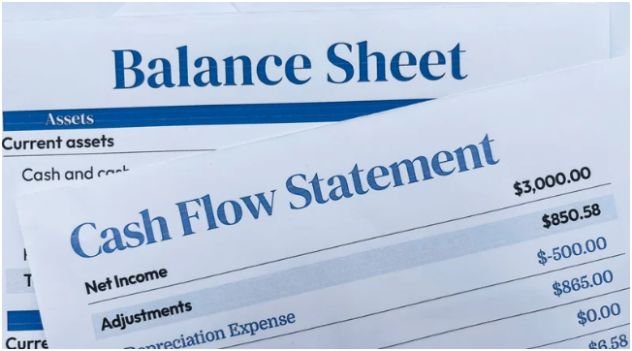
I used to focus on profit because that’s what everyone talks about. But profit doesn’t pay your bills if your cash sits in unpaid invoices.
Cash flow tells you if your business can actually survive day to day. When I started tracking how money moved in and out weekly, I noticed patterns I had been ignoring. Late payments, unnecessary expenses, and poor timing all added up.
Once I treated cash flow like a daily habit instead of a monthly check-in, I felt more in control. You don’t need more revenue right away. You need better timing.
How Do I Get Paid Faster Without Chasing Clients?
This was my biggest frustration. I hated sending reminder emails. So I changed my system instead of my attitude.
I started offering small early payment discounts. Even 1–2% made a difference. Clients responded quickly because they saw immediate value.
I also switched to automated invoicing. Now invoices go out the moment work gets delivered. No delay, no excuses. I added multiple payment options too, which removed friction completely, and that’s how CFOs drives business growth.
Here’s what worked best for me:
| Strategy | What Changed |
| Early payment discounts | Faster payments without reminders |
| Instant invoicing | No delay in billing |
| Multiple payment options | Easier transactions |
When you make it easy to pay you, people actually do.
How Can I Control Expenses Without Feeling Restricted?

I don’t like cutting costs just for the sake of it. I prefer being intentional instead of restrictive.
I started by reviewing my subscriptions. It shocked me how many tools I paid for but barely used. Canceling even a few freed up instant cash.
Then I changed how I paid bills. I stopped paying immediately and started paying closer to due dates. That alone improved my cash position without affecting relationships.
Another shift that helped was financing big purchases instead of paying upfront. It kept my cash available for more important things like growth.
This is where business cash flow optimization tips really become practical. You don’t need to cut everything. You just need to spend smarter.
What Role Does Inventory Play In Cash Flow?
I learned this the hard way. I had money sitting on shelves instead of in my bank account.
Once I switched to a just-in-time mindset, everything improved. I stopped over-ordering and focused on what actually sold.
I also started clearing slow-moving stock regularly. Discounts, bundles, even limited-time offers worked well. It felt better to recover some cash than hold onto dead inventory.
Inventory should move. If it doesn’t, it blocks your growth.
How Do I Stay Ahead Instead Of Reacting To Cash Problems?
This is where things finally clicked for me. I stopped guessing and started forecasting.
I built a simple 13-week rolling cash flow plan. Nothing fancy. Just a weekly view of incoming and outgoing money.
It gave me clarity. I could see shortfalls before they happened and adjust early. That reduced stress more than anything else.
I also built a cash reserve. I aim for at least three months of expenses. It’s not always perfect, but having that buffer changes how you make decisions.
Planning ahead feels boring at first, but it becomes your biggest advantage.
How To Apply Business Cash Flow Optimization Tips In Your Weekly Routine

This is exactly how I structure my week now. It takes less than an hour but makes a huge difference.
First, I review incoming payments. I check what got paid and what’s pending. If something looks delayed, I follow up immediately.
Next, I look at outgoing expenses. I schedule payments closer to due dates and prioritize what truly matters.
Then I update my 13-week forecast. I adjust numbers based on real data, not assumptions. This keeps everything accurate.
Finally, I scan for unnecessary expenses or opportunities. Sometimes it’s as simple as canceling a tool or running a quick promotion to boost cash.
This routine keeps me grounded. It turns cash flow into a habit instead of a problem.
What Mistakes Should You Avoid With Cash Flow?
I made plenty of mistakes before figuring this out, and most of them came from ignoring small issues.
I used to delay invoicing because I felt busy. That created delays in getting paid. I also paid bills too early, thinking it was responsible, but it hurt my liquidity.
Another mistake was overestimating revenue. I assumed money would come in on time, which rarely happens perfectly.
Avoiding these mistakes matters just as much as applying the right strategies.
Key Takeaways You Can Start Using Today
| Action | Impact |
| Send invoices immediately | Speeds up payments |
| Offer small early discounts | Encourages faster cash inflow |
| Pay closer to due dates | Preserves working capital |
| Track weekly cash flow | Improves control and visibility |
| Clear slow inventory | Converts idle stock into cash |
Small changes create big results when you stay consistent.
FAQs About Business Cash Flow Optimization Tips
1. What are the easiest business cash flow optimization tips to start with?
Start with faster invoicing and better payment timing. These two changes improve cash flow quickly without needing major system changes or extra tools.
2. How often should I review my cash flow?
I review mine weekly. It keeps things accurate and helps me catch issues early before they turn into bigger problems.
3. Do I need software to manage cash flow effectively?
You don’t need advanced tools to start. A simple spreadsheet works fine. Software becomes helpful as your business grows and gets more complex.
4. How much cash reserve should a business have?
I aim for at least three months of expenses. It gives breathing room and reduces stress during slow periods or unexpected challenges.
So, Want Less Stress And More Control Over Your Money?
Once I started applying these business cash flow optimization tips, I stopped feeling anxious about money. I knew what was coming in, what was going out, and what I needed to adjust.
You don’t need to overhaul everything overnight. Start small. Build the habit. Stay consistent.
The real shift happens when cash flow stops being something you check occasionally and becomes something you manage daily.