
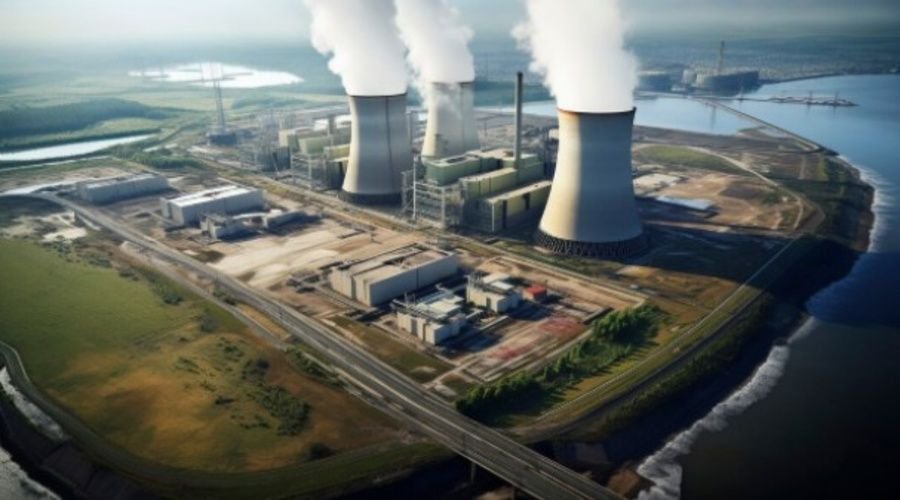
I have noticed that climate solutions often sound impressive until I try to understand what they actually do. That is exactly why I wanted to break down carbon capture technology in a way that feels clear, practical, and easy to follow. Instead of treating it like a futuristic buzzword, I want to show how it fits into real industries, real energy systems, and real climate goals.
This topic matters because cutting emissions is no longer just about switching off lights or driving less. Some sectors produce pollution as part of how they operate. That is where this technology enters the conversation. It is designed to catch carbon dioxide before it reaches the atmosphere or remove it from the air and store it safely.
What Is Carbon Capture And Why Does It Matter?
Carbon capture is the process of collecting carbon dioxide from power plants, factories, or even directly from the air, then moving it for storage or reuse. The goal is to reduce the amount of heat-trapping gas released into the atmosphere.
In simple terms, it acts like a filter for emissions that are otherwise hard to avoid. I think this matters most in industries that cannot clean up overnight. Cement, steel, chemicals, and some energy facilities still rely on systems that produce large amounts of carbon dioxide.
Even as cleaner energy expands, these sectors need another layer of action if emissions are going to fall faster, much like how studying the fastest objects in the universe helps us understand extreme systems that push the limits of what is possible.
How Does The Process Work From Start To Finish?
The process usually begins at the source of emissions. Carbon dioxide is separated from other gases created during industrial activity or power generation. Once captured, it is compressed so it can be transported more easily through pipelines, trucks, or ships.
After transport, the carbon dioxide is either stored deep underground in geological formations or used in industrial applications. Some projects inject it into rock formations for long-term storage, while others use it in products like fuels, chemicals, or building materials. The capture step gets the most attention, but the full chain only works when transport, storage, and monitoring are handled properly too.
Which Types Of Systems Are Used Today?
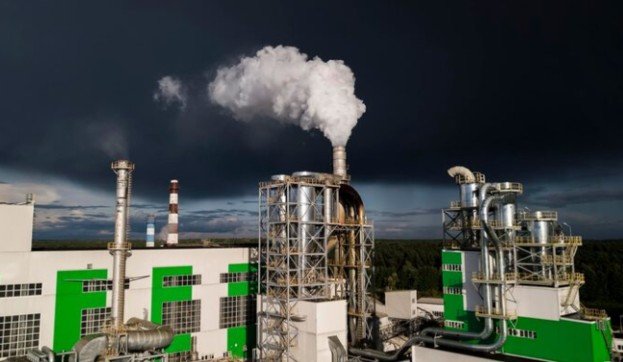
There is not just one approach. Post-combustion capture removes carbon dioxide after fuel is burned, which makes it useful for existing industrial sites. Pre-combustion capture works earlier in the process by removing carbon before combustion happens. Oxy-fuel combustion systems burn fuel in oxygen-rich conditions to create an exhaust stream that is easier to process.
Then there is direct air capture, which pulls carbon dioxide straight from the atmosphere instead of taking it from a smokestack. This method gets a lot of attention because it can deal with past emissions, not only new ones. Still, it is usually more energy intensive and more expensive, which means scaling it up remains a major challenge.
Where Is Carbon Capture Technology Being Used Right Now?
Carbon capture technology is most relevant in places where emissions are difficult to eliminate with simple swaps. Heavy manufacturing is a major example because production itself often creates carbon dioxide. Cement plants are discussed often because even the chemical reaction used to make cement produces emissions, not just the fuel that powers the facility.
It is also being used in natural gas processing, hydrogen production, and some power generation projects. In many cases, companies and policymakers see it as a supporting tool rather than a complete answer. That makes sense to me because no single climate fix can carry the entire burden on its own.
What Are The Biggest Benefits And Limitations?
One major benefit is that this approach can cut emissions in sectors that move more slowly than consumer markets. It gives hard-to-abate industries a path to reduce pollution while cleaner alternatives continue to develop. It can also support a net zero coalition when paired with storage systems that keep carbon out of the atmosphere for the long term.
At the same time, the drawbacks are real. These systems can be expensive to build and run. They also require infrastructure, regulation, storage sites, and public trust. Critics argue that some companies may use it to delay bigger changes instead of transforming their operations. I think that concern is valid, which is why the most credible conversations treat it as one tool in a larger strategy, not a free pass.
How Can Readers Understand The Debate More Clearly?
The easiest way to understand the debate is to ask one simple question: where does this technology help the most? If it is being used to reduce emissions in sectors with few near-term alternatives, it can play an important role. If it is being used as an excuse to avoid cleaner transitions, the value becomes much harder to defend.
That is why context matters so much. A project in a cement or steel setting may have a stronger case than one used mainly for image management. I always look at whether the project includes real storage plans, emissions measurement impact, and long-term accountability. Those details tell a much bigger story than the headline alone.
How To Make Sense Of Carbon Capture Technology In Everyday Research
If you are trying to evaluate a project or article, start with the basics. Check where the carbon dioxide is being captured from and what happens to it afterward. Then look at the industry involved, the scale of the project, and whether there is a clear storage or utilization plan.
Next, pay attention to costs, energy use, and long-term monitoring. A strong explanation should not only celebrate innovation but also explain the trade-offs. The more I read about climate solutions, the more I trust the sources that admit the limits while still showing where progress is possible.
Frequently Asked Questions
1. Is carbon capture technology a real climate solution?
It can be, especially for industries that cannot reduce emissions quickly through electrification or renewable energy alone. Its value depends on where and how it is used.
2. Is direct air capture the same as carbon capture?
Not exactly. Direct air capture removes carbon dioxide from ambient air, while many other systems capture it directly from industrial emissions before release.
3. Why is this approach controversial?
The debate usually centers on cost, energy demand, long-term storage, and whether it slows down cleaner transitions that should happen faster.
A Practical Final Take
I see this field as a serious but imperfect climate tool. It is not magic, and it is not a replacement for cleaner energy, smarter policy, or industrial reform. Still, in the right settings, it may help reduce emissions that are otherwise difficult to tackle.
When I look at the bigger picture, I think the smartest approach is balance. We should pay attention to what works, question what is oversold, and stay focused on real outcomes instead of slogans.