
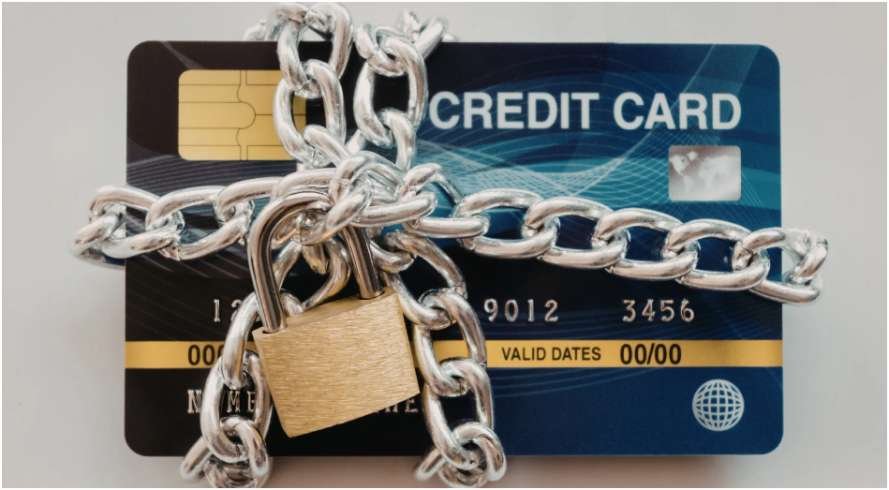
I didn’t take financial fraud prevention methods seriously until I almost lost money to a fake bank call. It sounded real, urgent, and convincing. That moment changed how I manage my finances daily.
Now, I treat financial fraud prevention methods like brushing my teeth—simple habits that protect me long-term. You don’t need to be tech-savvy or paranoid. You just need a system that works quietly in the background of your life.
Why Do Financial Fraud Prevention Methods Matter More Than Ever?
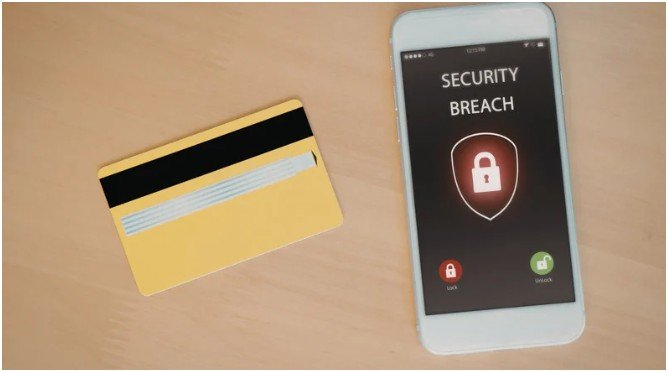
Fraud today doesn’t look obvious. It blends into everyday life—emails, texts, even phone calls that feel completely legitimate. I’ve noticed that scammers rely on urgency and trust more than anything else.
When I started paying attention, I realized prevention isn’t about reacting. It’s about creating small routines that make it harder for fraud to even reach you. That shift alone reduced my risk significantly.
Another thing I learned is that fraud is no longer rare. With digital payments, UPI, and online banking, exposure increases. That’s why strong financial fraud prevention methods matter more now than ever before.
How Do I Build Strong Financial Fraud Prevention Methods Into My Routine?
I don’t rely on just one tool. I layer protection in a way that feels natural and easy to maintain daily. That’s what actually works.
First, I focus on identity protection. I use multi-factor authentication on everything important. I also prefer biometric logins when available because they add a strong, personal layer of security.
Second, I let technology work for me. My bank alerts me instantly for every transaction. AI systems now flag unusual behavior, and I treat those alerts seriously. If something looks off, I act immediately.
Finally, I follow simple internal rules for myself. I never approve large transactions without double-checking. I don’t click links in messages. These habits may seem basic, but they create a strong defense system.
What Technologies Actually Help Prevent Financial Fraud?
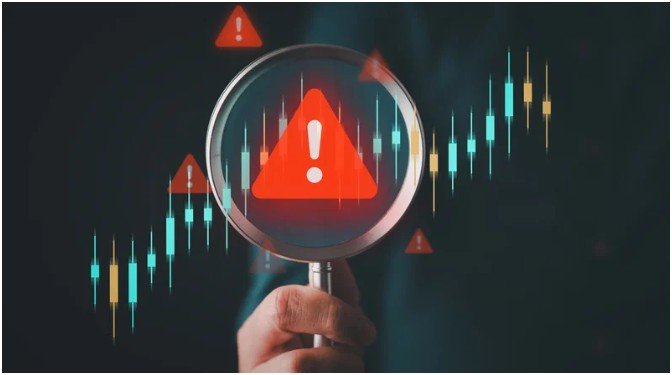
I used to think fraud prevention was just about passwords. That changed when I started understanding how much technology works behind the scenes.
AI and machine learning now monitor transactions in real time. They analyze patterns, detect anomalies, and stop suspicious activity within seconds. This makes a huge difference, especially for card and payment fraud.
Behavioral tracking also plays a role. Systems learn how you type, log in, and navigate apps. If something suddenly changes, they flag it. That extra layer gives me confidence that my accounts stay protected.
Here’s how different tools compare:
| Technology | What It Does | Why It Matters |
| Multi-Factor Authentication | Adds extra login verification | Stops unauthorized access |
| Biometric Authentication | Uses fingerprint or face ID | Hard to replicate |
| AI Monitoring | Tracks transactions in real time | Detects fraud instantly |
| Behavioral Intelligence | Learns user habits | Flags unusual activity |
Which Types Of Fraud Should I Watch Out For Daily?
Understanding common fraud types helped me stay alert without feeling overwhelmed. I don’t try to track everything. I focus on the most common threats.
Identity theft is one of the biggest risks. If someone gains access to your personal details, they can open accounts or misuse your information. That’s why I protect my data carefully.
Phishing is another major issue as a negative impact of automation. I receive emails and messages that look legitimate but aren’t. I’ve trained myself to pause and verify instead of reacting quickly.
Account takeovers and payment fraud also happen often. These usually occur when login details get compromised. That’s why I avoid using the same password across multiple platforms.
What Should I Do Immediately If I Suspect Fraud?
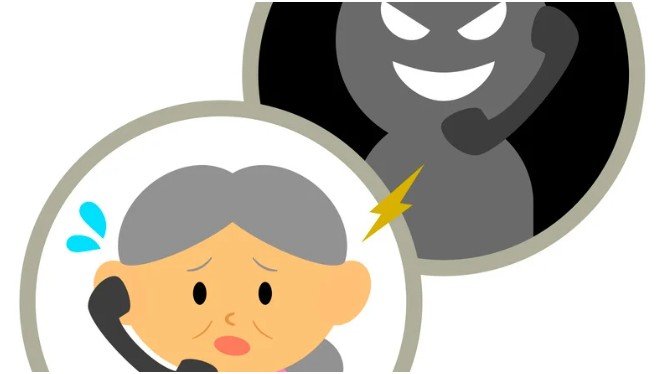
The first time I faced a suspicious transaction, I hesitated. That delay could have cost me. Now I act fast without second-guessing.
If something feels wrong, I contact my bank immediately. I block my cards and access if needed. Acting within minutes can stop further damage.
I also report incidents through official channels. In the U.S., this includes contacting your bank, reporting to the FTC, and documenting everything. The earlier you act, the better your chances of recovery.
Timing matters more than anything. The first hour often determines whether funds can be frozen or not.
How To Build Financial Fraud Prevention Methods Step By Step
I didn’t change everything overnight. I built my system gradually, step by step, until it became part of my routine.
First, I updated all my passwords and made each one unique. I used a password manager to make this easy and secure. This alone reduced my risk significantly.
Next, I enabled multi-factor authentication everywhere possible. It added an extra step, but it gave me peace of mind knowing no one could access my accounts easily.
Then, I set up real-time alerts for all transactions. Every payment, no matter how small, shows up instantly. This helps me catch anything unusual immediately.
After that, I reviewed my accounts weekly. I treat it like a quick financial check-in. It only takes a few minutes but keeps me aware and in control.
Finally, I created a simple rule for myself: verify everything before acting. Whether it’s a call, email, or message, I never respond without confirming the source.
What Habits Help Me Stay Consistent Without Stress?

Consistency matters more than intensity when it comes to fraud prevention. I focus on habits that feel manageable, not overwhelming.
I keep my devices updated regularly. Software updates often include security patches, and skipping them creates unnecessary risk. This small habit makes a big difference.
I also avoid storing sensitive information casually. I don’t save card details on random websites. I prefer secure payment methods that add protection layers.
Another habit that works for me is awareness without fear. I stay informed, but I don’t obsess. The goal is to stay prepared, not stressed.
So… You Really Thought “It Won’t Happen To Me”? Think Again
I used to believe fraud happened to other people. Then I saw how easy it is for anyone to fall into a well-crafted scam.
Financial fraud prevention methods aren’t complicated. They’re just small, consistent actions that protect your money and peace of mind. Once I built these habits, everything felt more secure.
If you take one thing from this, let it be this: don’t wait for a problem to start paying attention. Prevention always feels easier than recovery.
Key Takeaways
- Financial fraud prevention methods work best when layered together
- Real-time alerts and AI monitoring provide strong protection
- Acting within minutes can prevent major losses
- Simple habits like verification and password management matter
- Consistency beats complexity every single time
FAQs
1. How can I tell if I’m a victim of fraud?
You may notice unknown transactions, login alerts, or account changes. If something feels off, trust that instinct and check immediately. Quick action helps minimize damage.
2. What is the safest way to protect my bank account?
Use multi-factor authentication, strong passwords, and real-time alerts. These create multiple barriers that make unauthorized access extremely difficult.
3. Should I respond to urgent bank messages?
No. Always verify through official channels. Scammers often create urgency to pressure you into acting without thinking.
4. How often should I monitor my accounts?
I check mine weekly and rely on instant alerts daily. This balance keeps me aware without feeling overwhelmed.