
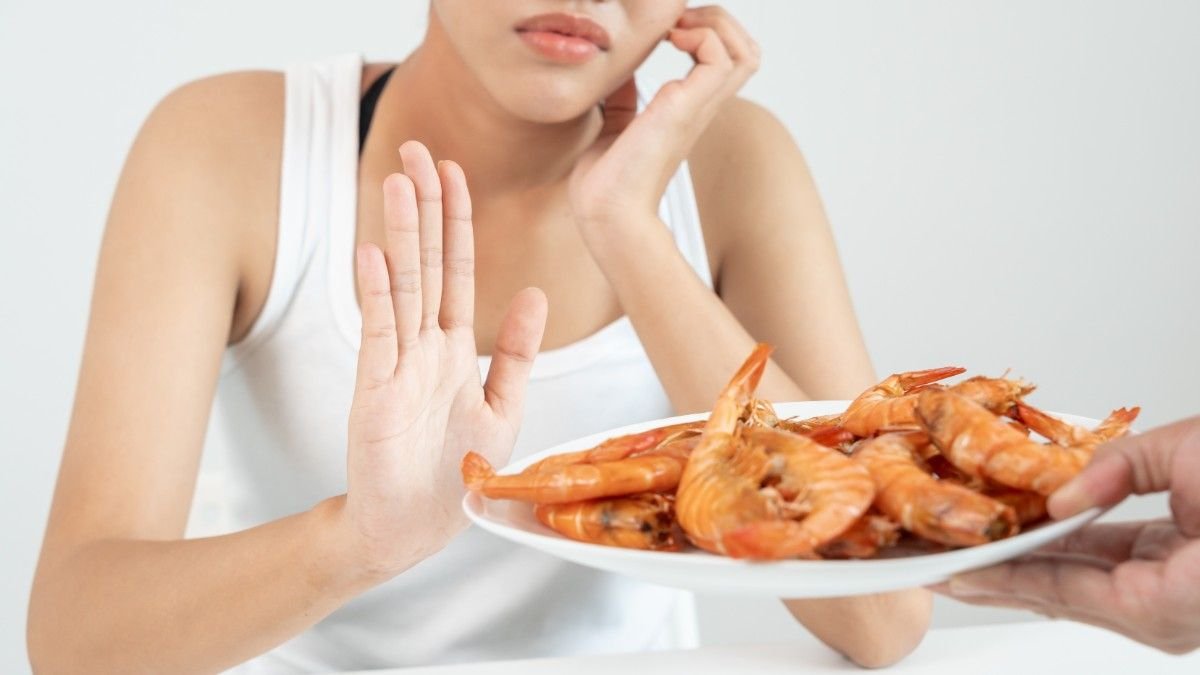
Seeing someone react to a simple seafood dish changed how I look at food safety forever. Understanding food allergy seafood is not just about avoiding certain meals, it is about knowing how your body responds and staying prepared in everyday situations. The more I learned, the more I realized how small habits can make a big difference in staying safe and confident.
What Is Food Allergy Seafood
This section explains how seafood allergies work and why they are different from simple food sensitivities.
Food allergy seafood happens when the immune system overreacts to proteins found in aquatic animals. Instead of recognizing these proteins as harmless, the body treats them as a threat and releases chemicals that cause allergic symptoms. This reaction can happen quickly and sometimes unexpectedly, even with very small exposure.
People often use seafood allergy as a general term, but it actually includes two different biological groups. These are finned fish such as salmon or tuna and shellfish such as shrimp or clams. Understanding this difference helps you identify what exactly triggers your reaction.
Key Differences In Food Allergy Seafood Types
Knowing the distinction between fish and shellfish allergies helps you manage risks more effectively.
Fish Allergy
Fish allergy is usually triggered by proteins called parvalbumins or fish allergen. Common examples include salmon, tuna, cod, and halibut. Some people react to one type of fish while tolerating others, but cross-reactivity is still possible.
This type of allergy can develop in both children and adults. Even small traces can trigger symptoms, which is why proper diagnosis and awareness are essential.
Shellfish Allergy
Shellfish allergy is typically triggered by a protein called tropomyosin. It is one of the most common adult food allergies and often continues for life. Cooking does not remove this protein, so the risk remains even with well-prepared food.
Shellfish allergies are divided into crustaceans like shrimp, crab, and lobster, and mollusks like clams, mussels, oysters, and scallops. Crustaceans are the most common cause of severe reactions.
Why The Difference Matters
Fish and shellfish are biologically different, so being allergic to one does not automatically mean you are allergic to the other. However, many people choose to avoid both for safety. Understanding your specific trigger helps you make better decisions when eating out, shopping, or traveling. It also reduces unnecessary restrictions.
Common Symptoms Of Food Allergy Seafood
Recognizing symptoms early can help you respond quickly and reduce risks.

Mild To Moderate Symptoms
Symptoms usually appear within minutes to an hour after eating seafood, but they can also occur through contact or inhaling cooking steam. Common signs include hives, itching, and swelling of the lips or face.
Some people also experience tingling in the mouth or digestive issues like nausea and vomiting. These symptoms may seem manageable but should not be ignored.
Severe Reactions And Anaphylaxis
Severe reactions involve breathing difficulty, throat tightness, hoarse voice, dizziness, or loss of consciousness. This condition is known as anaphylaxis and requires immediate medical attention.
Without quick treatment, it can become life-threatening. That is why recognizing warning signs early is critical.
Hidden And Delayed Reactions
Not all reactions are immediate or obvious. Some symptoms may appear later or result from cross-contamination. This is especially common in shared cooking environments. Being aware of hidden exposure helps you stay cautious in situations where seafood is present.
What Triggers Food Allergy Seafood
Understanding triggers helps you avoid unexpected reactions in daily life.

Proteins That Cause Reactions
Different proteins are responsible for fish and shellfish allergies. Parvalbumins trigger fish allergies, while tropomyosin is responsible for shellfish reactions. These proteins are stable and remain active even after cooking, which makes avoidance the most effective prevention method.
Cross Contamination Risks
Cross contamination is one of the biggest risks. Shared fryers, grills, or utensils can transfer allergens even if your dish does not contain seafood directly. This is why restaurants and food preparation areas require extra caution and clear communication.
Hidden Ingredients To Watch
Seafood can appear in unexpected places such as fish sauce, Worcestershire sauce, Caesar dressing, or imitation crab. These hidden ingredients often go unnoticed.
Reading labels carefully and asking questions becomes a necessary habit for staying safe.
How To Manage Food Allergy Seafood Safely
This section focuses on practical ways to live confidently with a seafood allergy.
Get Proper Medical Diagnosis
Start by consulting an allergist who can perform skin or blood tests to identify your specific triggers. This step provides clarity and helps you avoid unnecessary restrictions.
Knowing exactly what causes your reaction allows you to build a safer routine.
Practice Strict Avoidance
Avoiding trigger foods is the most effective way to prevent reactions. This includes being mindful of cross contamination and hidden ingredients. Over time, this becomes part of your daily routine rather than a constant concern.
Carry Emergency Medication
If prescribed, always carry epinephrine auto injectors with you. Having two doses available is recommended in case symptoms persist or return. Preparedness gives you confidence and ensures you can act quickly if needed.

Important Safety Facts About Food Allergy Seafood
This section clears up common misconceptions and highlights key safety insights. Shellfish allergy is not related to iodine allergy. Many people believe they must avoid iodine in medical procedures, but this is not supported by scientific evidence.
You are not at higher risk for reactions to contrast dyes or antiseptics containing iodine. Understanding this helps avoid unnecessary fear and confusion.
Frequently Asked Questions
1. Can food allergy seafood develop later in life?
Yes, many adults develop seafood allergies even if they previously ate seafood without issues.
2. Is food allergy seafood always severe?
Not always, but it can become severe unexpectedly, which is why caution is important.
3. Can cooking prevent food allergy seafood reactions?
No, cooking does not remove the allergenic proteins that trigger reactions.
4. How do I confirm food allergy seafood?
A medical test from an allergist is the most reliable way to confirm your allergy.
Living Smart With Food Allergy Seafood
Living with food allergy seafood is about awareness, not fear. Once you understand your triggers and build simple daily habits, managing it becomes much easier. Staying informed, asking questions, and being prepared helps you enjoy life without constant stress. Over time, these small actions create a sense of control and confidence that allows you to move forward safely.