
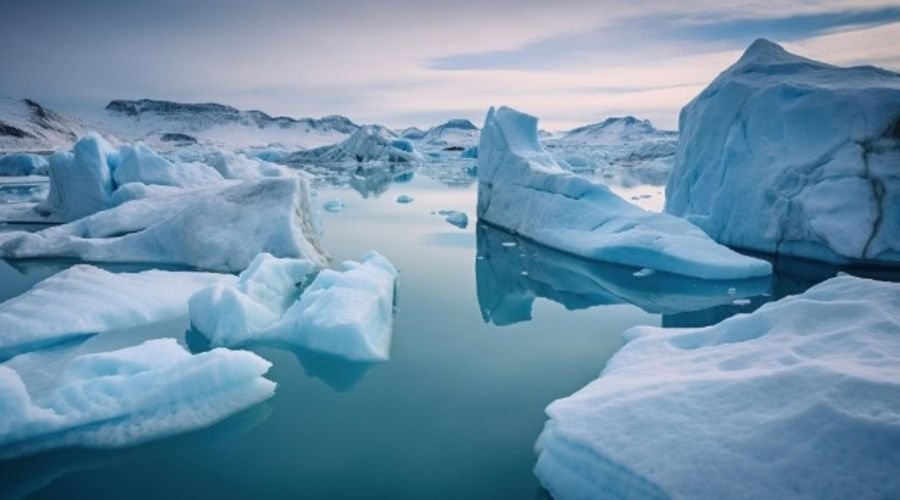
I used to think rising oceans were just about “ice melting somewhere far away.” But when I actually looked into it, I realized the story is much clearer and more important than I expected. Understanding how glaciers affect sea level comes down to one simple idea: where the ice is and what happens when it melts. Once I understood that, everything else started to make sense. And honestly, it changed how I see climate-related discussions completely.
Why Glaciers Matter More Than You Think
Glaciers are massive ice formations that sit on land, usually in mountains or polar regions. Over thousands of years, they store huge amounts of freshwater. But when temperatures rise, they begin to melt faster than they can rebuild.
That meltwater doesn’t stay in place. It flows into rivers and eventually reaches the ocean. This is what makes glaciers so important. They are not just melting, they are actively adding new water to the sea. That is the core reason they matter in the sea level conversation.
The Simple Science Behind Rising Ocean Levels
When glaciers melt, they release water that was previously locked on land. This directly increases the volume of the ocean. Think of it like filling a bathtub. If you keep adding water, the level rises.
The same thing happens on a global scale when glaciers melt continuously over time. This is exactly how glaciers affect sea level in the most straightforward way possible. It is not complicated science, just a clear physical process happening across many regions.
Land Ice vs Floating Ice: The Key Difference
This was the biggest confusion for me at first. Not all ice contributes equally. Ice that floats in the ocean, like sea ice, already displaces water. So when it melts, it doesn’t significantly raise sea levels. But glaciers are different because they sit on land. When they melt, they add entirely new water into the ocean system. That difference is what makes glaciers such a major factor.
Other Factors That Work Alongside Glacier Melt
Glaciers are not the only reason sea levels rise. There is another important factor that often gets overlooked. When ocean water warms, it expands. That means even without adding extra water, the sea level can rise simply because the water takes up more space.
There are also large ice sheets that behave similarly to glaciers but on a bigger scale. So the full picture includes glacier melt, ocean warming, and ice sheet loss all working together.
What Rising Sea Levels Actually Mean
This is where things become real. Rising sea levels are not just a scientific concept, they have direct consequences. Higher sea levels mean coastal areas flood more often. Storm surges become more damaging. Infrastructure like roads, homes, and drainage systems face greater risk.
The Long-Term Impact of Glacier Loss
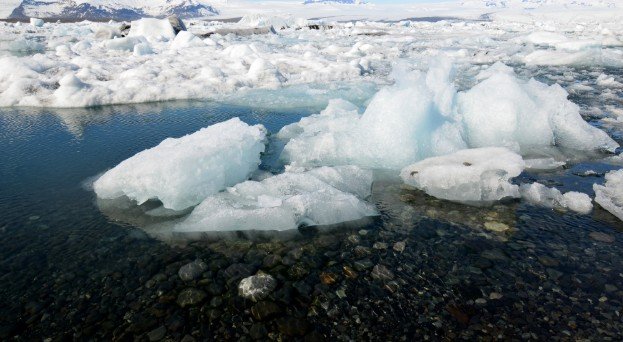
One thing that surprised me is how gradual yet powerful this process is. Glacier melt doesn’t need to be dramatic to be dangerous. Small amounts of melting happening consistently over years and decades can significantly raise global sea levels.
It is the accumulation that creates the real impact. Over time, this can reshape coastlines, affect ecosystems, and change how people live near the ocean.
How To Understand This Without Overcomplicating It
If you want to simplify everything, just remember this: ice on land raises sea levels when it melts. That single idea explains most of the topic. Then add the second layer, which is ocean warming and expansion. Once you connect these two ideas, the entire concept becomes easy to understand without needing complex scientific knowledge.
Frequently Asked Questions
1. How glaciers affect sea level in simple terms?
Glaciers sit on land, so when they melt, they add new water into the ocean. This increases sea levels over time.
2. Does melting sea ice raise sea levels?
No, not significantly. Sea ice already floats and displaces water, so its melting does not add much extra volume.
3. Is glacier melt the only reason for rising sea levels?
No. Ocean water expands when it warms, and large ice sheets also contribute to rising sea levels.
Final Thoughts
The more I learned about this topic, the clearer it became. What once felt confusing is actually built on a simple principle repeated over time. how glaciers affect sea level is not about complex theory, it is about understanding a basic cause-and-effect process.
When glaciers melt, oceans rise. And while that idea is simple, the impact is significant. The better we understand it, the better we can prepare for what lies ahead.