
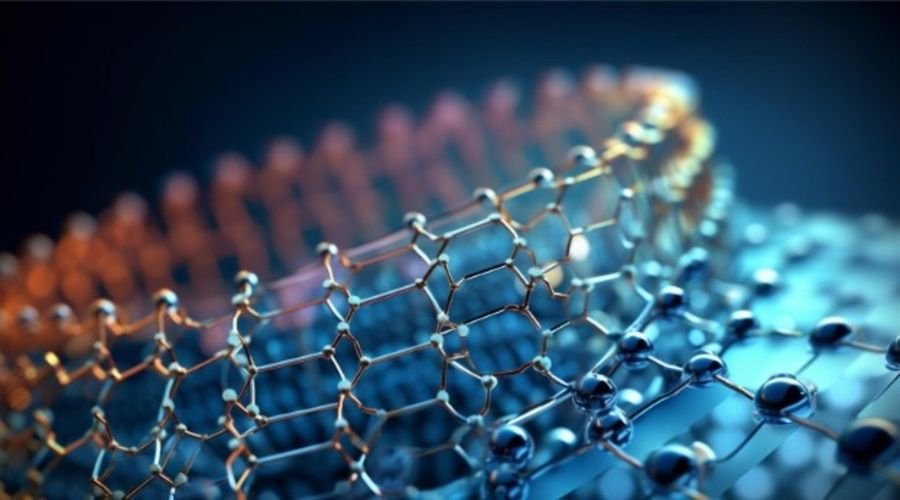
I used to think nanotechnology belonged in science labs, futuristic headlines, or complex textbooks. Once I started paying attention, I realized it was already part of products I use every day. That shift completely changed how I see technology, because it stopped feeling distant and started feeling real.
What makes nanotechnology in everyday life so fascinating is how invisible it is. You do not notice it when you apply sunscreen, wear certain fabrics, or use your phone, yet it quietly improves how these things perform. That hidden impact is what makes this topic so powerful.
What Does Nanotechnology Really Mean in Simple Terms?
Nanotechnology works at an extremely tiny scale, measured in nanometers. A nanometer is one-billionth of a meter, which is far smaller than anything we can see with the naked eye. At this size, materials behave differently, and that is where the advantage comes in.
I like to think of it in simple terms. When materials are engineered at a very small level, they can become stronger, lighter, more reactive, or more efficient. Instead of sounding complicated, it becomes a practical way to make everyday products work better.
Where Do You Actually See Nanotechnology in Daily Routines?

One of the easiest places to notice it is in personal care. Many sunscreens use ultra-fine particles to protect your skin without leaving a thick white layer. That is why modern formulas feel smoother and more comfortable.
I also see it in clothing and surfaces around the house. Some fabrics resist stains or odors more effectively, while certain coatings help glass and furniture stay cleaner for longer. These small improvements make daily life easier without most people realizing why.
Electronics are another big example. Smartphones, batteries, and screens continue to improve because materials are engineered at smaller scales. Faster performance and better efficiency often connect back to these tiny innovations.
Why Is Nanotechnology in Everyday Life So Important Right Now?
What stands out to me is how practical this technology has become. Nanotechnology in everyday life improves things people actually care about, like durability, safety, cleanliness, and performance. It is not just about innovation for the sake of it. It is about making everyday experiences better.
It also plays a role across many industries at once. Healthcare uses it for treatments and advanced diagnostics techniques. Food packaging benefits from improved preservation. Sports equipment becomes lighter and stronger. Even environmental solutions are evolving because of nanoscale research.
From a reader perspective, this topic works well because it connects advanced science to everyday experiences. It answers questions people already have without overwhelming them.
Which Everyday Products Commonly Use Nano-Enabled Materials?

Personal Care and Skincare
This is usually the most relatable example. Certain products are designed to absorb better, feel smoother, and provide more even coverage because of how ingredients are structured at a tiny level.
Home Surfaces and Fabrics
Protective coatings and performance fabrics make a noticeable difference. Clothes that resist stains and surfaces that stay cleaner longer are simple examples that people understand right away.
Phones, Screens, and Batteries
Technology becomes more efficient and durable when materials are refined at smaller scales. Better battery life, improved displays, and stronger components are all part of this shift.
How To Understand Nanotechnology in Everyday Life Without Feeling Overwhelmed
The way I approach this topic is by focusing on one simple question: what does this technology improve? That question removes the complexity and makes everything easier to understand.
Start by grouping examples into categories like skincare, electronics, clothing, and household products. Then look at the benefits in plain language. Does it make something stronger, cleaner, faster, or more efficient? That perspective makes the topic much more approachable.
Next, compare products you already use. Think about why one sunscreen feels better or why certain fabrics perform differently. These small observations help connect theory with real-life experience.
Are There Any Common Misunderstandings About This Topic?

Yes, and I have noticed this often. Many people think nanotechnology is only about futuristic inventions or advanced robotics. In reality, it is already part of everyday products and materials.
Another misconception is that smaller always means better in every situation. The truth is more balanced. The benefits depend on how the material is designed and used. That is why clear, simple explanations are important when writing about this topic.
Frequently Asked Questions
1. What is nanotechnology in everyday life in simple words?
It means very small-scale science is used to improve everyday products like sunscreen, fabrics, electronics, and coatings.
2. Is nanotechnology only used in labs?
No. It is already present in many products people use regularly, especially in personal care, electronics, and materials.
3. Why is nanotechnology in everyday life becoming more popular?
Because it improves performance, durability, and efficiency in ways that directly benefit daily routines.
Final Thoughts
When I think about this topic now, it feels much less intimidating than it once did. I see it as a quiet upgrade happening behind the scenes, improving things without demanding attention. That is what makes it so interesting to explore.
For me, the real value lies in how it connects advanced science with everyday experiences. Once you start noticing it, you realize how much of modern life is shaped by innovations you cannot even see.