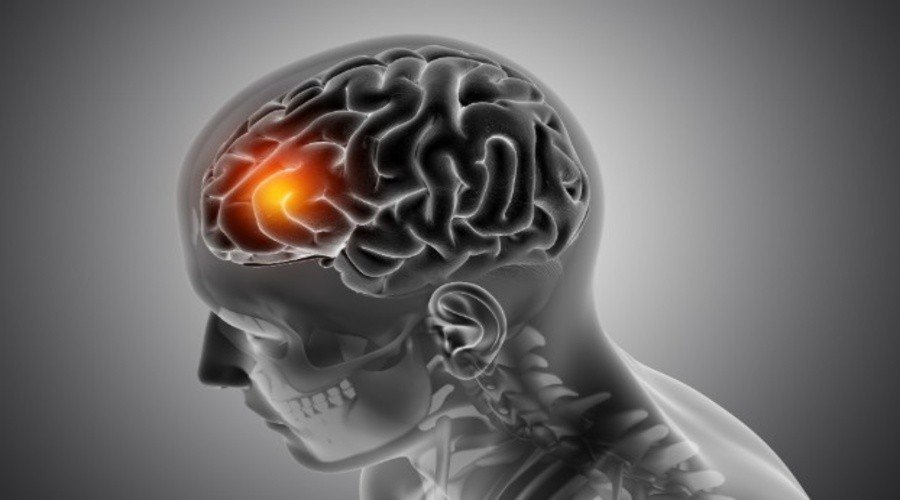
I used to believe that once we grow older, our brain stops changing. That idea felt limiting, especially when learning something new felt harder than expected. But once I understood what brain plasticity is, everything changed for me.
It refers to the brain’s ability to adapt, reorganize, and build new connections based on what we experience, practice, and repeat. That means your brain is constantly evolving, whether you are learning a skill, building a habit, or recovering from a setback.
Why Brain Plasticity Matters More Than You Think
The reason this concept stands out is because it directly connects to everyday life. It is not just a scientific idea hidden in textbooks. It influences how we learn, improve, and even how we handle challenges.
When I started looking at learning through this lens, I realized progress is not about being naturally talented. It is about consistency and exposure. The brain responds to what you do regularly, not just what you try once.
This is exactly why people can improve memory, develop new skills, and even rebuild confidence over time. The brain is not fixed. It responds to effort.
How The Brain Changes With Experience
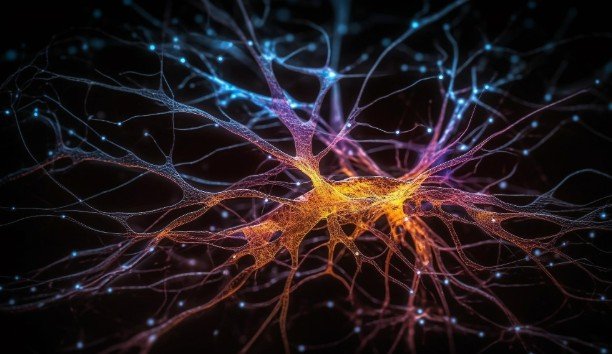
The brain works through networks of neurons that communicate with each other. When you repeat an activity, those connections become stronger and more efficient.
I noticed this clearly when learning something new. At first, everything feels slow and awkward. But with repetition, the process becomes smoother. That is the brain optimizing its pathways.
On the other hand, when something is not used for a long time, those pathways weaken. That is why consistency matters more than intensity. Small, repeated actions create lasting changes.
Types Of Brain Plasticity You Should Know
Understanding the types makes this concept easier to grasp.
Structural Plasticity
This refers to physical changes in the brain. It happens when you learn new skills or adapt to new situations. The brain literally reshapes its structure based on experience.
Functional Plasticity
This is about how the brain shifts tasks from one area to another when needed. It is especially important in recovery situations, where the brain adapts to compensate for changes. Both types show that the brain is flexible and capable of adjusting, not just storing information.
Real-Life Examples That Make It Clear
I always find this topic easier to understand through real-life situations. Learning to drive is a perfect example. At first, it feels overwhelming. You think about every step. But over time, it becomes automatic. That shift is brain plasticity in action.
The same applies to learning a language, playing an instrument, or even improving focus. Repetition strengthens connections, making the process easier. Even habit formation works this way. The more you repeat a behavior, the stronger that pathway becomes.
Can You Improve Brain Plasticity Daily?
Yes, and this is where things get practical. You do not need complicated routines. What matters is how consistently you engage your brain. I have found that simple daily actions make a big difference over time.
Reading something slightly challenging pushes the brain to adapt. Physical movement supports overall brain function. Good sleep helps the brain process and strengthen what you learn. When I started focusing on these basics, I noticed better clarity and faster learning. It is not about doing more. It is about doing the right things regularly.
How To Strengthen Brain Plasticity Step By Step
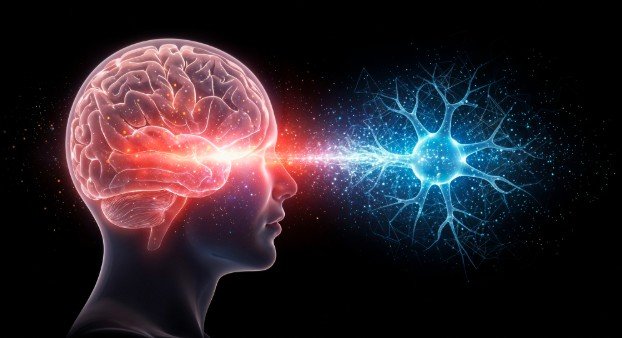
If you want to make this actionable, here is how I approach it. Start by choosing one skill you want to improve. Do not try to learn everything at once. Focus on consistency over intensity. Practice it in small sessions every day instead of long, irregular bursts. Repetition is what builds strong neural pathways.
Common Myths About Brain Plasticity
One of the biggest misconceptions is that only young people can benefit from this. While younger brains may adapt faster, change is still possible at any age. Another myth is expecting instant results. Real change takes time. The brain responds gradually, not overnight.
I have also seen people assume that talent matters more than effort. In reality, repeated practice plays a much bigger role in long-term improvement. Understanding these myths helped me stay consistent instead of expecting quick results.
Why This Concept Can Change Your Mindset
For me, the biggest impact of learning what brain plasticity was mental. It shifted how I think about growth. Instead of feeling stuck, I started seeing improvement as something I could influence. Every small effort started to feel meaningful. This mindset makes learning less frustrating and more motivating. It turns progress into something you build step by step.
Frequently Asked Questions
1. What is brain plasticity in simple terms?
It means the brain can change and adapt based on learning, experience, and repetition.
2. Does brain plasticity work for adults?
Yes, the brain continues to adapt throughout life, although the speed of change may vary.
3. Can habits change the brain?
Yes, repeated behaviors strengthen neural pathways, making habits easier over time.
4. What is brain plasticity used for?
It plays a role in learning, memory, skill development, and recovery from challenges.
A Better Way To Look At Growth
I used to think improvement depended mostly on natural ability. Now I see it differently. The more I understand what brain plasticity is, the more I realize progress is built through consistent action.
Small efforts add up. Repetition matters. Patience matters even more. Once you start seeing your brain as something that adapts instead of something fixed, learning feels less frustrating and a lot more possible.