
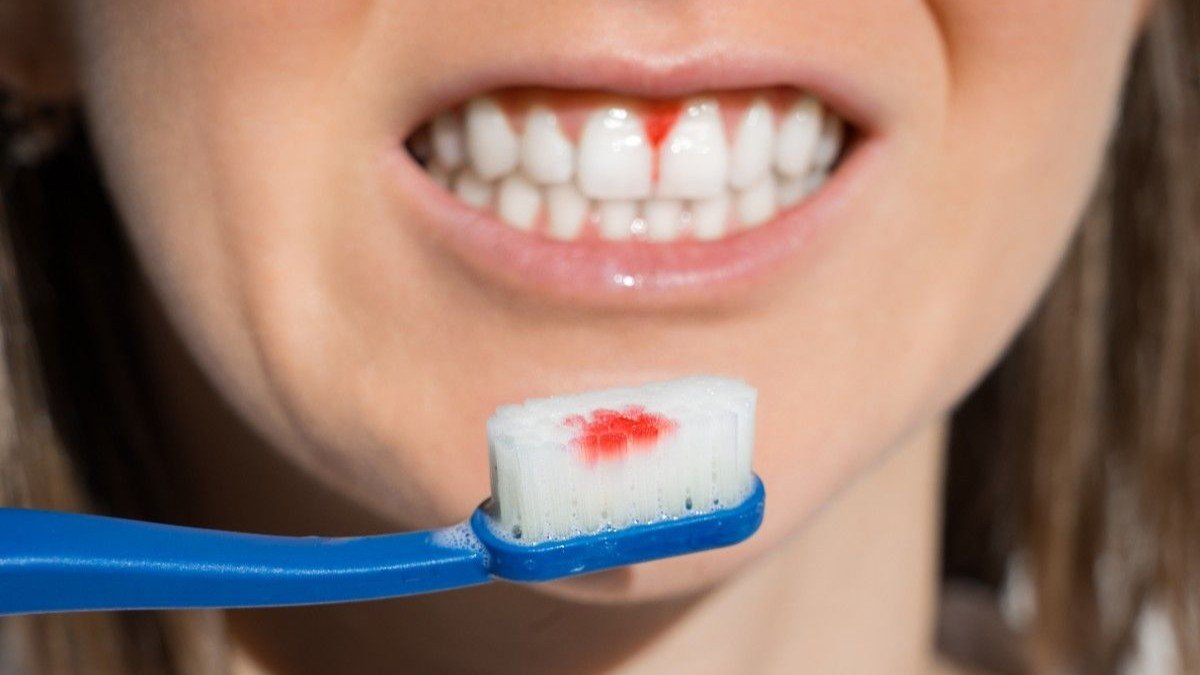
Noticing blood while brushing can feel alarming, and that sudden thought of why are my gums bleeding often leads to confusion or even anxiety. It may seem like a small issue, but bleeding gums are your body’s way of signaling inflammation that should not be ignored. The good news is that most causes are manageable once you understand what is happening and take the right steps early.
Common Oral Health Causes of Gum Bleeding
Understanding what triggers gum bleeding is the first step toward fixing it effectively.
Plaque And Gingivitis Build-Up
This is the most common reason behind bleeding gums. Plaque forms on your teeth daily, and if it is not removed properly, it irritates the gum line. This irritation leads to gingivitis, where gums become swollen, red, and prone to bleeding.
Gingivitis is reversible, which makes early action very important. With consistent brushing, flossing, and dental care, you can restore your gum health and prevent further complications.
Periodontitis And Advanced Gum Disease
If gingivitis is left untreated, it can develop into periodontitis. At this stage, the infection spreads deeper into the gums and begins damaging the bone that supports your teeth.
This condition is more serious and can lead to tooth loss if ignored. It also requires professional treatment rather than simple home care, making early prevention even more critical.
Aggressive Cleaning And Irritation
Brushing too hard or using a toothbrush with stiff bristles can damage delicate gum tissue. Many people assume harder brushing means cleaner teeth, but it often causes more harm than good.
Switching to a soft-bristled brush and using gentle movements can significantly reduce irritation and help your gums heal naturally over time.
New Flossing Habits And Dental Appliances
If you recently started flossing or resumed after a long break, your gums may bleed temporarily. This is normal and usually improves within a few days as your gums adjust.
Ill-fitting braces, dentures, or retainers can also rub against your gums and cause irritation. Ensuring proper fit can prevent unnecessary inflammation.
Gums Bleeding Systemic And Lifestyle Factors
Sometimes the answer goes beyond oral hygiene and connects to your overall health.
Hormonal Changes And Sensitivity
Hormonal fluctuations during pregnancy, puberty, or menopause can make gums more sensitive to plaque and bacteria. This increased sensitivity often leads to bleeding even with regular brushing. Taking extra care during these phases helps maintain gum health and reduces inflammation.
Vitamin Deficiencies And Nutrition
A lack of essential nutrients can weaken your gums. Vitamin C supports tissue repair, while Vitamin K helps with proper blood clotting. When these nutrients are missing from your diet, your gums become more vulnerable and prone to bleeding. A balanced diet plays a key role in prevention.
Medications And Medical Conditions
Certain medications like blood thinners, aspirin, or some blood pressure drugs can increase the likelihood of bleeding gums. These medications affect how your blood clots, making even minor irritation noticeable. Medical conditions such as diabetes or blood disorders can also impact your body’s ability to heal, making gum health more difficult to maintain without proper care.
Smoking And Lifestyle Habits
Smoking reduces blood flow to the gums, weakening their ability to fight infection and heal. This makes smokers more prone to gum disease and prolonged bleeding. Hydration and daily habits also matter. A dry mouth allows bacteria to grow more easily, increasing the risk of inflammation.
Signs Your Gums Need Immediate Attention
Bleeding rarely appears alone, and your gums usually give other warning signals.
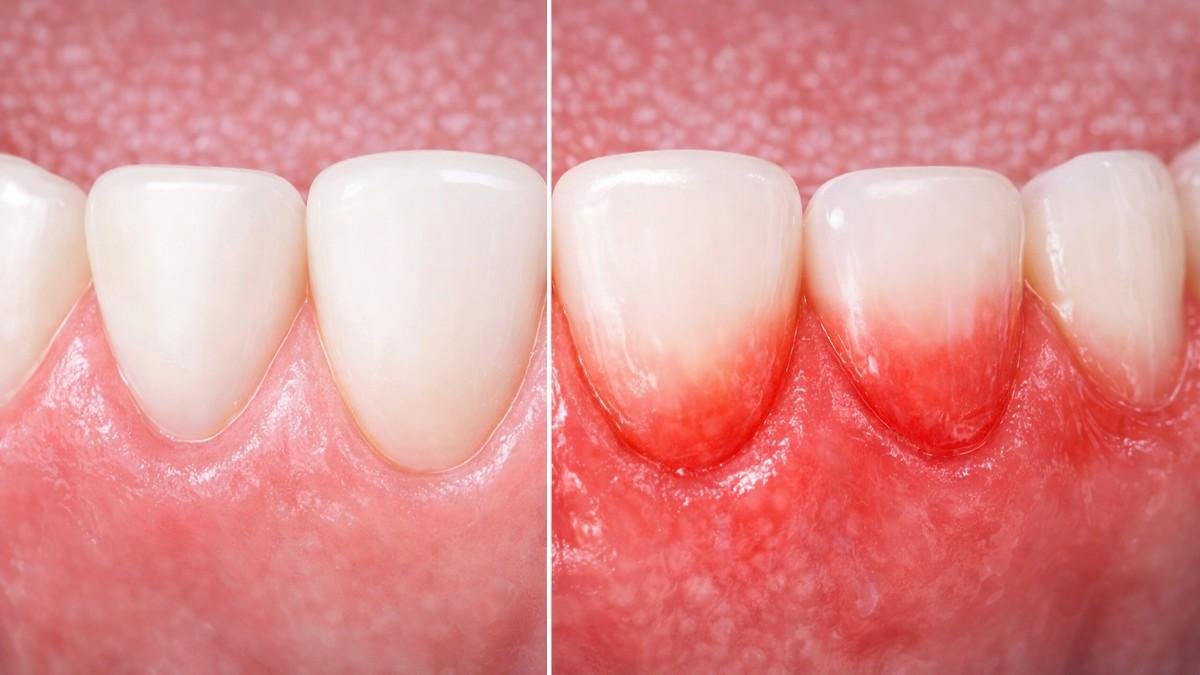
Redness, Swelling And Tenderness
Healthy gums are firm and pink. If they appear swollen, soft, or darker than usual, it indicates inflammation that needs attention. Ignoring these signs allows the condition to worsen over time and increases the risk of gum disease progression.
Persistent Bad Breath And Taste
Ongoing bad taste or a bad breath from your mouth can be linked to bacteria buildup along the gum line. This is often an early indicator of gum disease and should not be overlooked as a minor issue.
Gum Recession And Sensitivity
If your teeth appear longer or feel sensitive, your gums may be receding. This exposes the tooth roots and increases vulnerability to infection. Addressing this early helps protect both your gums and your teeth from long-term damage.
When To See A Dentist For Bleeding Gums
Knowing when to seek professional help can prevent serious complications.

Persistent Or Heavy Bleeding
If bleeding continues for several days despite improving your oral care routine, it is a sign that something more serious may be happening. Heavy or spontaneous bleeding without brushing is another warning that should not be ignored.
Pain, Loose Teeth Or Receding Gums
Severe swelling, pain, or loose teeth indicate advanced gum disease. These symptoms require immediate dental attention to prevent permanent damage. Delaying treatment can make the condition harder to manage and increase long-term risks.
Other Warning Signs To Watch
If you experience persistent bad breath, pus between gums, or unexplained bleeding, it is time to consult a dentist. Early diagnosis can save you from complex treatments and help restore your oral health more effectively.
How To Stop My Gums Bleeding (Step-By-Step Solution)
Taking the right steps consistently can stop gum bleeding and improve your overall oral health.

- Start by brushing twice daily with a soft-bristled toothbrush, focusing gently along the gum line instead of scrubbing harshly. Proper technique is more important than force, and gentle care helps reduce irritation while removing plaque effectively.
- Next, make flossing part of your daily routine. Even if your gums bleed at first, continue gently, as this helps remove hidden bacteria and reduces inflammation over time. Consistency is key, and your gums will gradually become healthier.
- Incorporate an antibacterial mouthwash to control bacteria and support healing. You can also rinse with warm saltwater to reduce inflammation and soothe irritated gums. Applying gentle pressure with clean gauze can help stop minor bleeding quickly.
- Finally, schedule a professional dental cleaning. Hardened plaque cannot be removed at home, and a dentist can clean deeply while identifying any underlying issues that need attention.
Simple Habits To Prevent Bleeding Gums
Preventing gum issues is easier than treating them once they become severe.

Build A Consistent Oral Routine
Brushing and flossing daily keeps plaque under control and prevents inflammation. Skipping even a few days can allow bacteria to build up quickly. Making oral care a non-negotiable habit helps maintain long-term gum health.
Focus On Nutrition And Hydration
Eating foods rich in vitamins and minerals supports gum strength and healing. Fresh fruits, vegetables, and dairy products all contribute to better oral health. Drinking enough water helps wash away bacteria and keeps your mouth naturally clean throughout the day.
Avoid Harmful Habits
Smoking and tobacco use significantly increase the risk of gum disease. Quitting these habits improves circulation and healing in your gums. Regular dental checkups also play an important role in preventing serious issues before they develop.
Frequently Asked Questions
1. Why are my gums bleeding even with good brushing habits?
It could be due to plaque buildup, vitamin deficiency, or underlying health conditions that affect gum sensitivity and healing.
2. Why are my gums bleeding when I floss?
If you recently started flossing, mild bleeding is common and usually improves within a week as your gums adjust.
3. Why are my gums bleeding randomly?
Random bleeding may indicate gum disease, medication effects, or systemic health issues and should be evaluated by a dentist.
4. Can bleeding gums be cured permanently?
With proper oral care, lifestyle changes, and regular dental visits, most cases can be controlled and prevented from returning.
Take Care of Your Gum Health
Understanding why are my gums bleeding gives you the clarity to act before the problem worsens. Bleeding gums are never normal and often signal inflammation that needs attention. By improving your daily habits, addressing underlying causes, and seeking timely care. You can restore your gum health and avoid serious complications. Small consistent steps today can protect your smile for years to come.